This is the seventh and final post in a series that began here.
I head home via Dublin, with a pause long enough only for a single Guinness. Two weeks of solo travel is enough, and I am ready to be back among my people, enjoy shared meals and more robust conversation in my own language. But as my flight soars over Greenland, provides that God’s-eye view of its snow-capped peaks and fjords, I find a powerful release, that sense of being carried to an unknown realm. I will never lose my hunger for the world, in part because there will always be somewhere to go next.
After two weeks away I am happy to head home, toward a land where public bathrooms are free and the showers are not higher than the bathroom floor and where people actually believe in regular hydration. I am ready to stick to a single currency after revolving through lira and forints and korunas and euros. On the flip side, I will miss truly walkable downtowns and regular trains and people who are not degenerates enjoying open containers. The Europeans do leisure so much better than always-hustling Americans, make it a part of life rather than some sporadic eruptions of excess and self-care. A vacation in Europe, while itself a burst out in that tradition, makes it so much easier to internalize a pace, to recognize different possibilities for how to live.
My agenda over these two weeks underscored split identities. Istanbul is a living monument to the pulls between Christian Europe and the Muslim Middle East, while Budapest finds itself in a tension between Europe and governance styles further east. Vienna strives to protect a cultural inheritance in a world with outside pressures; in a distinct way, so does Prague. Berlin was torn apart by calamitous conflict and now builds back, at once trying to remember and move forward. As someone who so often feels these different pulls, I am at home in these borderlands and tension-filled phases. I am split between a love for home and hunger for the world, a desire to stay in and write and a thirst to close down the party, to class it up at the opera or belly up to a basement bar, to draw strength from both reason and faith, to restore myself in both moments of solitude and by feeding off others’ energy. Over time I have learned to sit in this blurry zone, even revel in it, knowing a full life can have it all.
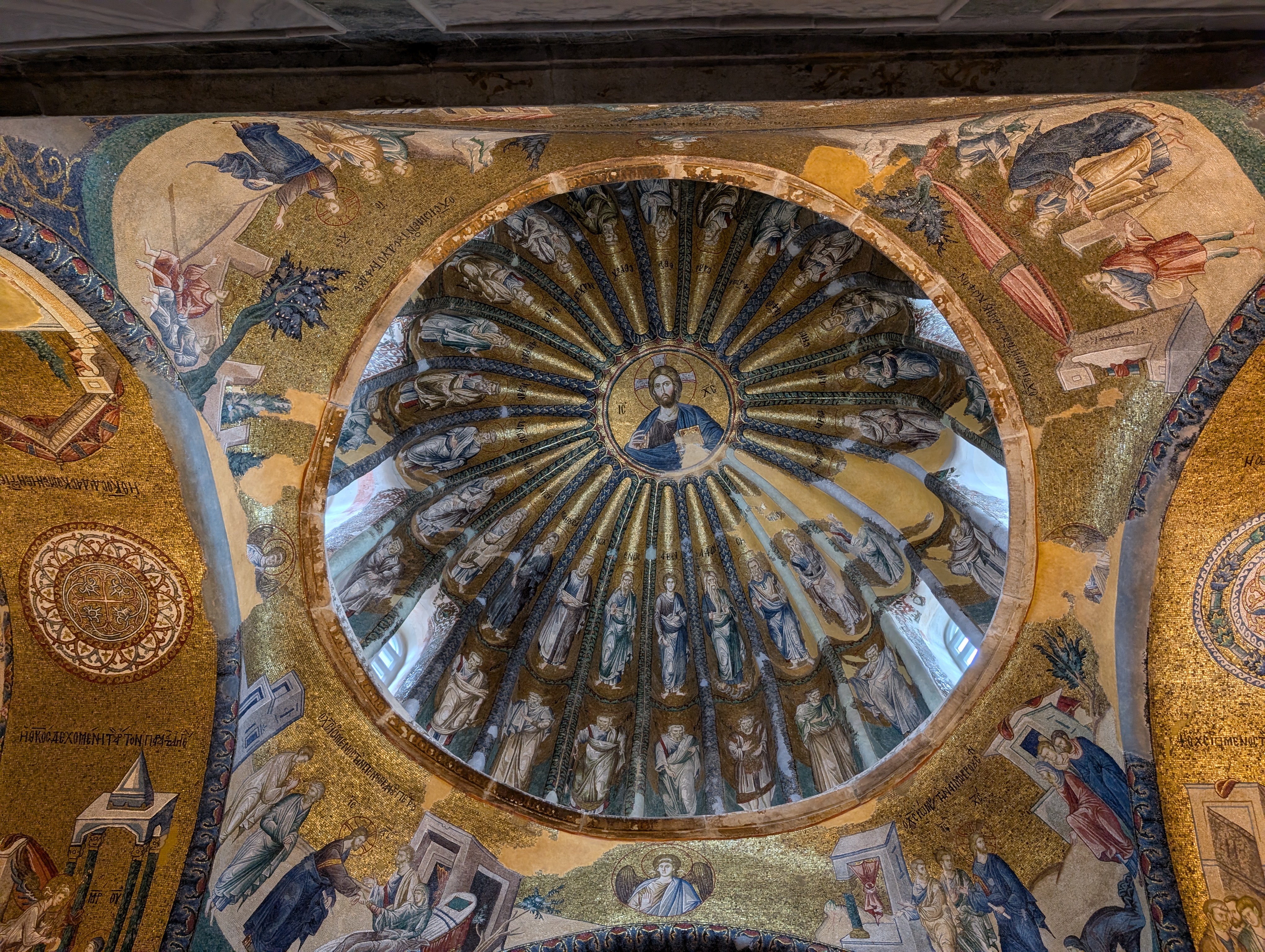
Traveling in Europe is an immersion in history, something that Americans like me, raised in a city where “old” means 1920 and cut off from drama by two great oceans, know only marginally. It is also a cautionary tale against wanting too much such history: Europe’s past is a story of a thousand tragedies, some of the sort that recur every generation or two and some on the scale of the greatest barbarity mustered by humans. As the Renaissance altarpieces and Gothic spires and mosaic saints remind us, we are a fallen race. These reminders have dual purposes, both cautionary and inspirational.
The continent is at a strange crossroads. The last people with living memory of World War II and firsthand knowledge of its brutality are fading away. With them goes a lived appreciation for the postwar miracle of Europe, those moments when a continent that had bloodied itself beyond belief for centuries before two epic orgies of destruction between 1914 and 1945 consciously turned away and, like Athens in the myth of the Oresteia, put aside its arms and deep passions and found a way to coexist in peace. Now, over time, one of humanity’s greatest innovations has been made boring and sometimes even cruel in its institutional, bureaucratized power. There are very reasonable worries about how Europe can hold up as it stops reproducing and as the world’s other powers play by different rules.
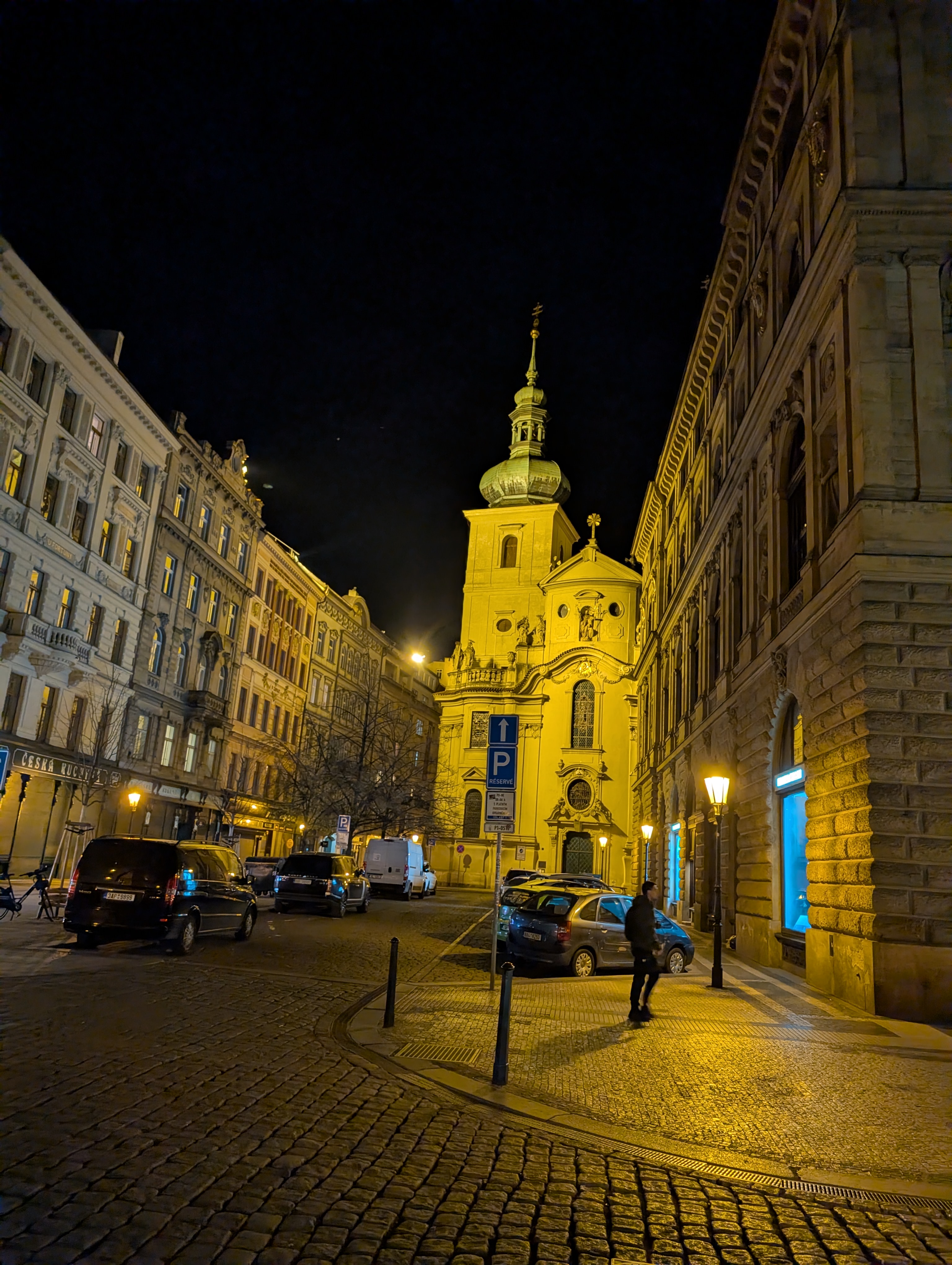
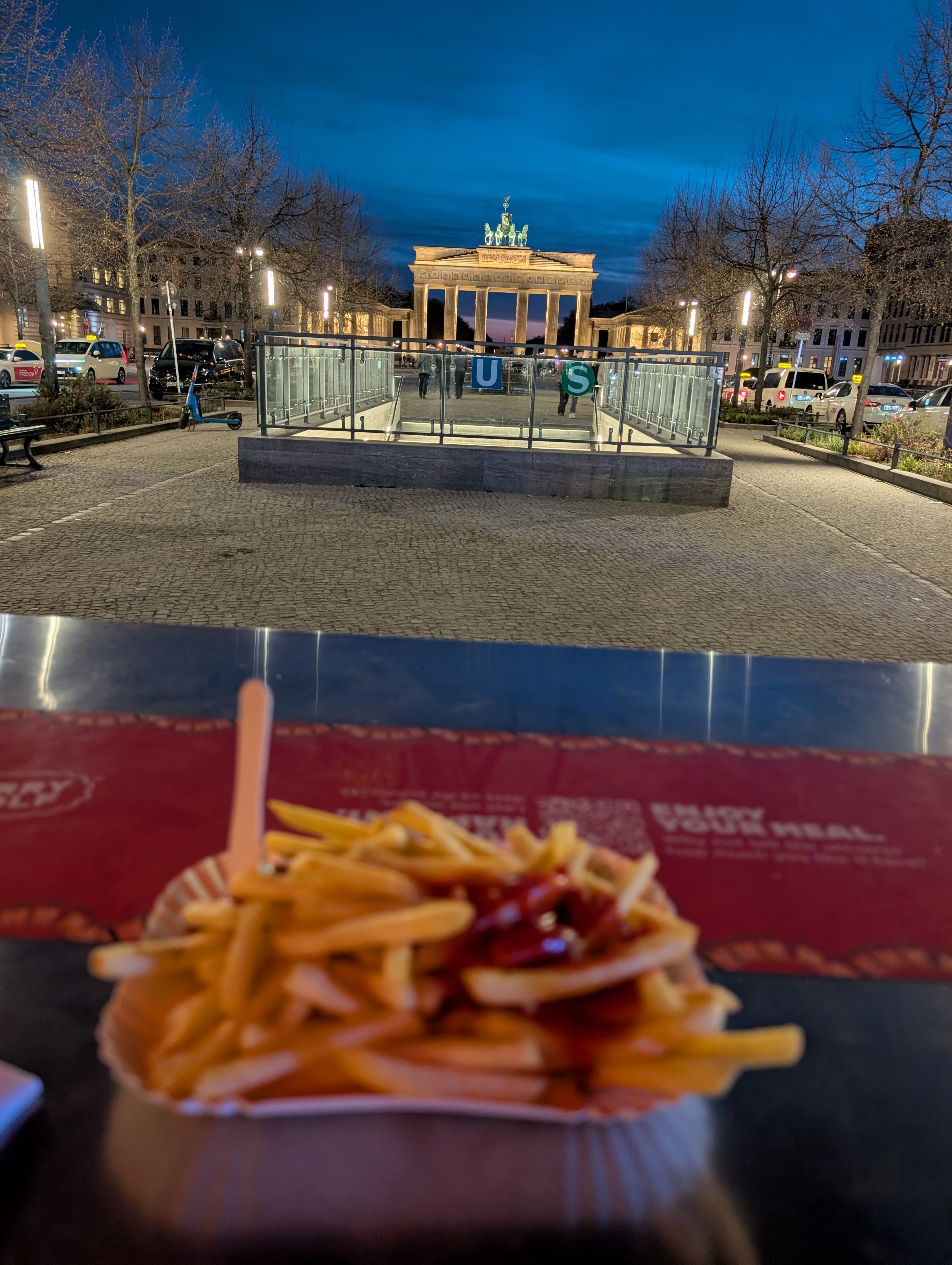
But great European cities also show the triumph of people who pour their souls into beauty, build things to last, and, when the inferno comes, rebuild, brick by painstaking brick. Europe’s power comes in its endurance. As China rises and Russia rediscovers some old muscles and the United States drifts off on its own strange path, Europe will need to find new ways to cultivate that old strength. I suspect that movement may need some doses of Charles de Gaulle or Otto von Bismarck instead of just a litany of small-state nationalists or milquetoast social democrats. Maybe it looks like Péter Magyar, firm in national pride but still within the bounds of a larger liberal project; it is much too early to put any stock in him. The divisions between Europe’s cultures, so often drifting toward Balkanization, make nothing easy. But I wouldn’t bet against some of the world’s most persistent nations and their recognition that, out of idealism or necessity, they need to present a somewhat united front. When at its best, the visions of life Europe can offer are the envy of the world, and I hope we Americans who venture across the pond can bring back some of those bits and apply its wisdom where we can.
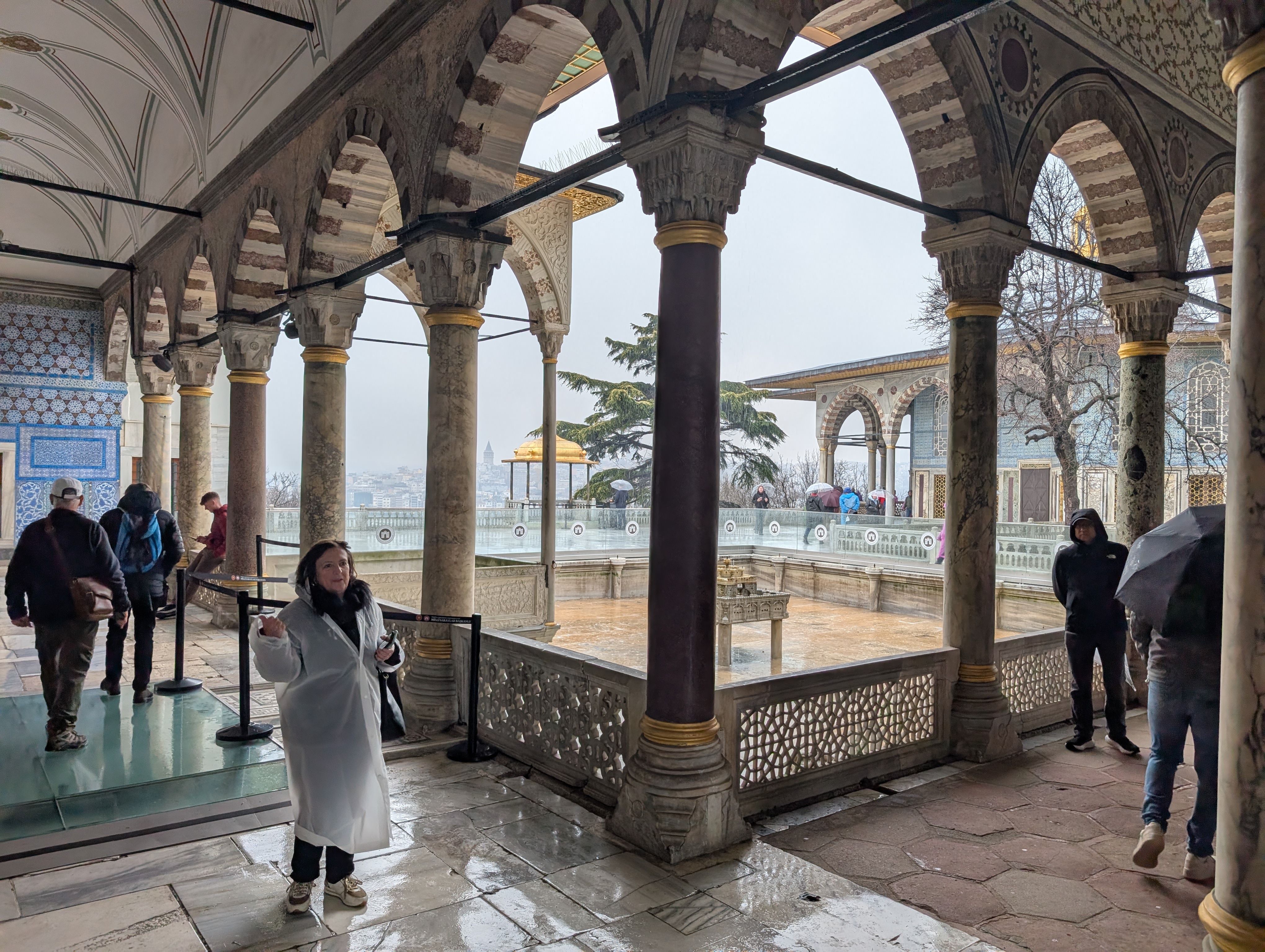
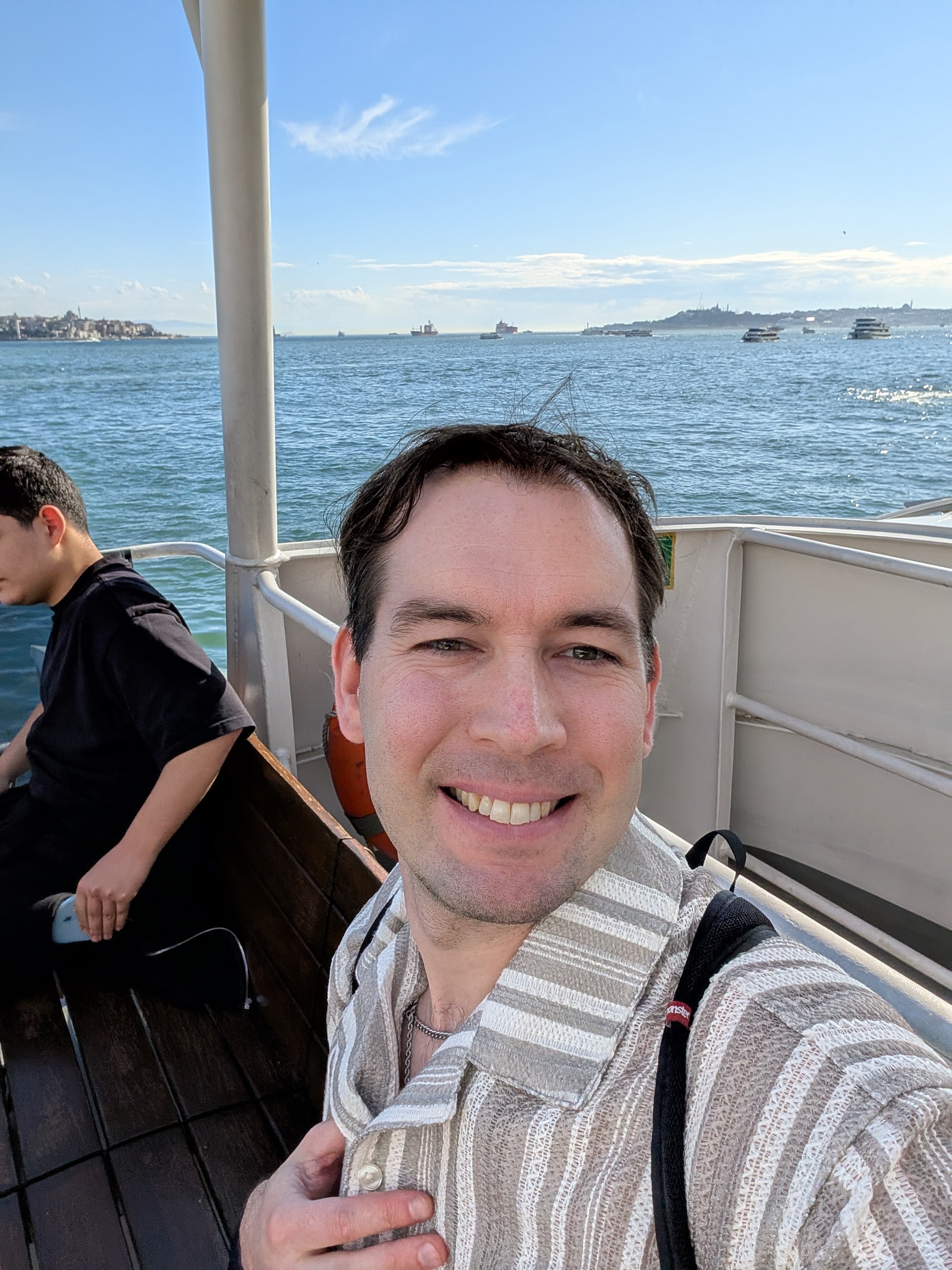
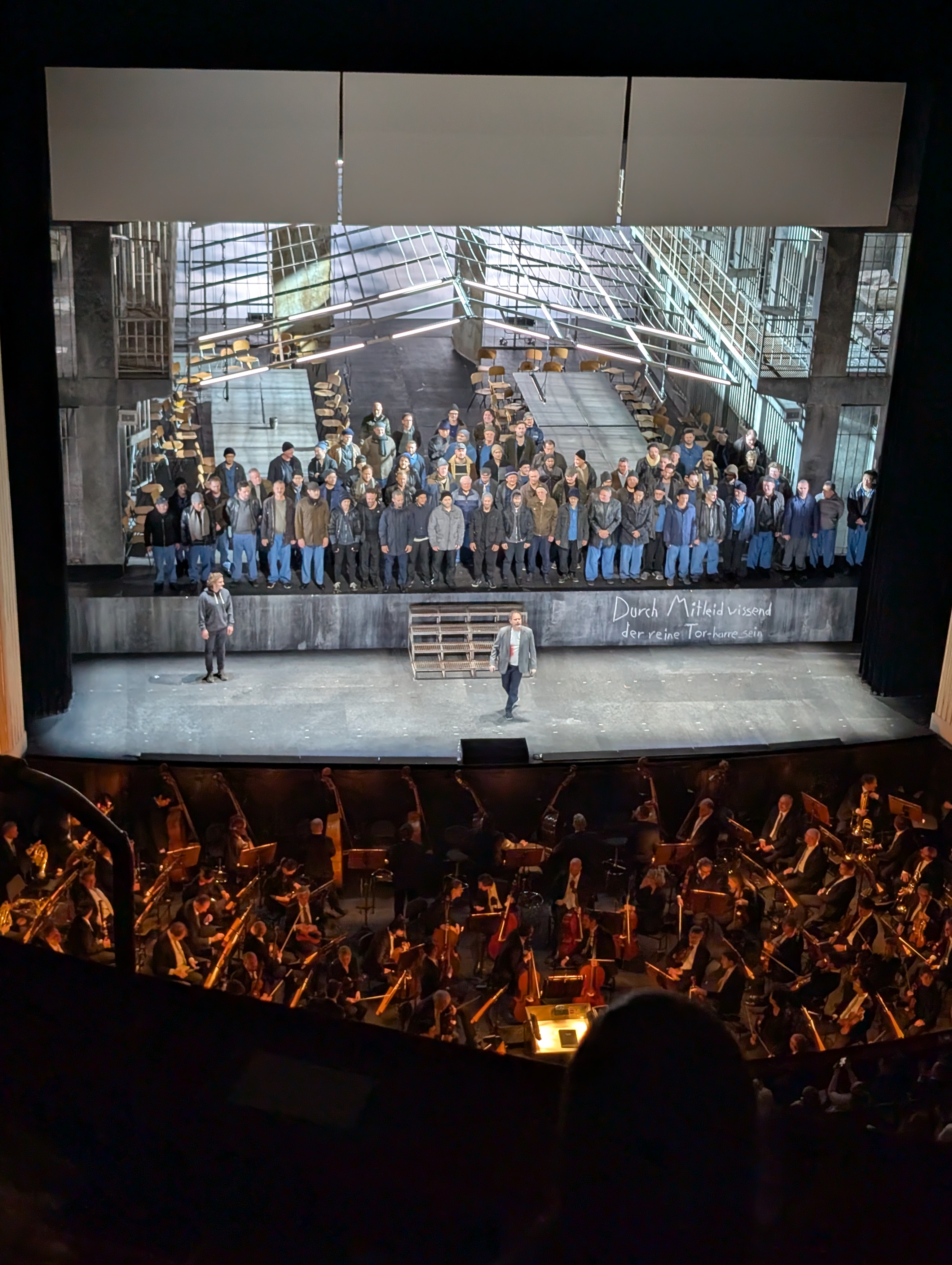
One of the better pieces of advice I’ve ever received is to take two-week vacations. This is enough time to truly forget obligations back home for a moment and turn loose. It works. My time in Europe fills me with a vital force, ready to be tapped at any moment when the reserves run low. I can flash back to any one of them. The romance of Topkapi, even in Istanbul’s melancholy rain, and a golden cruise across the Bosphorus to open a door to a new continent. Delighted turns down back streets of Istanbul, on to another Byzantine wonder. Drifting away in a Hungarian bath. The toll of the Pummerin; Parsifal rising toward its apex. A beer-fueled crowd in a Prague bar, and a serendipitous stroll home when I’ve had my fill. A final currywurst and a walk through the Brandenburg Gate on my last night.
It is another very American belief to think that one of these bursts outward can lead toward epiphany; to think that, because of some moment of awe or insight, things will never be the same again. Schooled on Europe’s eternal cautionary tales, I am not so deluded. But they can be useful signifiers of change, or plant seeds that, someday, grow into something. Unexpected side streets appear, new gates open; some old ones close, too, perhaps never to be seen again, and that is alright. It is the task of the traveler to sit down back at home to sort through these interruptions of all routine and decide how to remember these journeys, and which ones may come next.
 A Patient Cycle