This is Part Four in a 7-part series that began here.
My journey continues. I board the 1:40 out of Budapest bound for Munich and make my way to Vienna. The train crosses the Austrian border, and while there is no physical barrier, the differences are immediate. Suddenly, it is all cleanliness and order, clean lines and fresh paint on every structure, even the duller apartment blocks and industrial buildings lining the tracks. I have arrived in an orderly society, as the woman who is upset that my suitcase has occupied the left side of the escalator in Hauptbahnhof station makes abundantly clear.
Even with Budapest as an interlude, the contrast between Istanbul’s chaos and melancholy ruins and Vienna’s crisp opulence is eye-popping. Vienna is all refinement, all religiously tended beauty. The monuments here are rarely to war; while the Viennese did twice hold off the Ottomans and thus safeguard the heart of Europe, the Habsburg dynasty was instead built on a long lineage of strategic marriages. (“Let others wage war; let you, happy Austria, marry,” says the famous line.) The Habsburg peace allowed them to build a capital that cultivated high culture, a comfortable home that, like many diverse empires, was more welcoming than many modern nation-states. “The genius of Vienna,” writes Stefan Zwieg in The World of Yesterday, his elegiac look back on his prewar Vienna childhood, “had always been that it harmonized all national and linguistic opposites in itself, its culture was a synthesis of all Western cultures…Nowhere was it easier to be a European, and I know that I have in part to thank Vienna, a city that was already defending universal and Roman values in the days of Marcus Aurelius, for the fact that I learnt early to love the idea of community as the highest ideal of my heart.” Vienna’s civic achievement is not all artifice, either: this city has, arguably, gone further toward solving the housing problem facing so much of the West than anywhere.
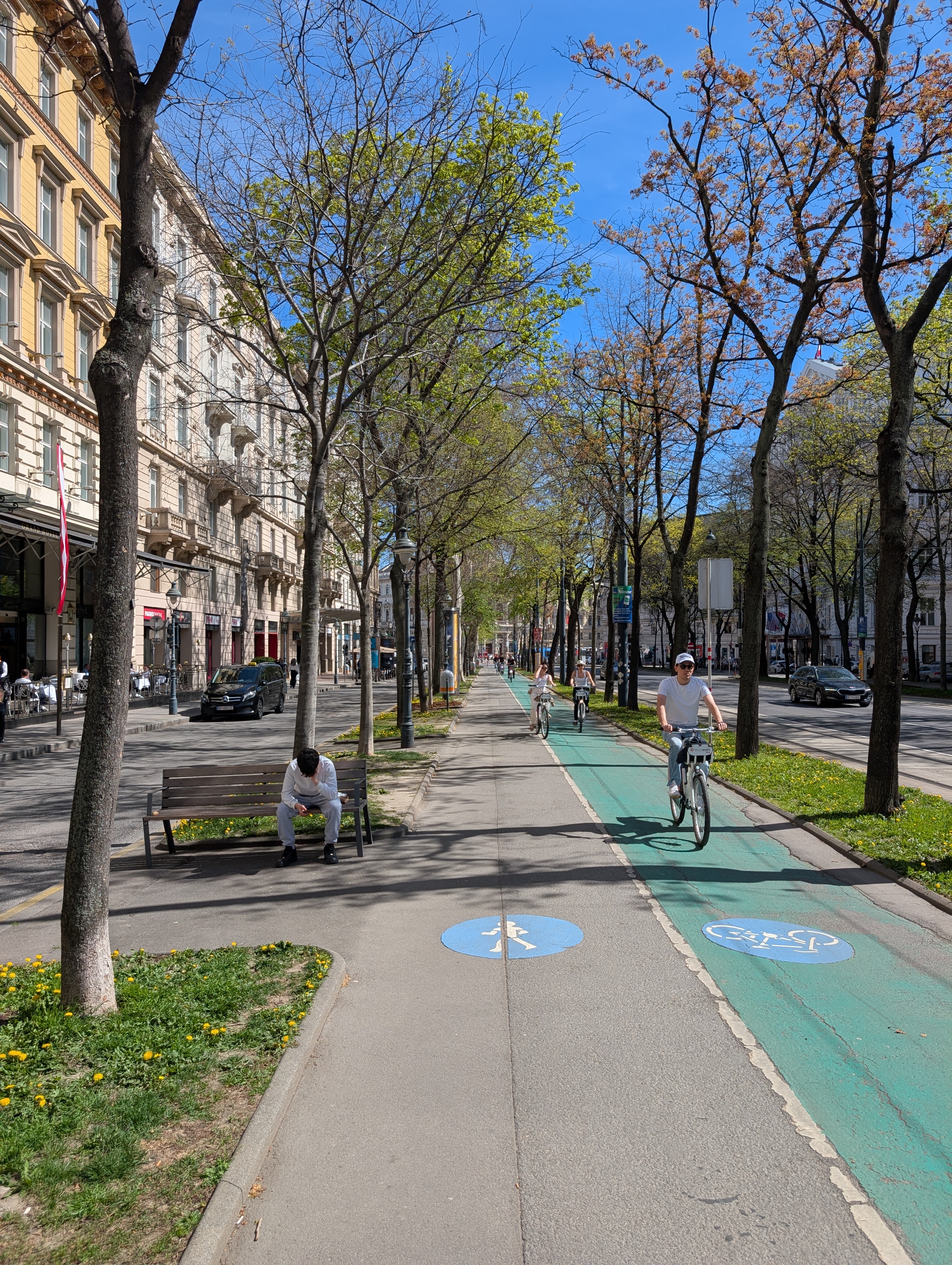
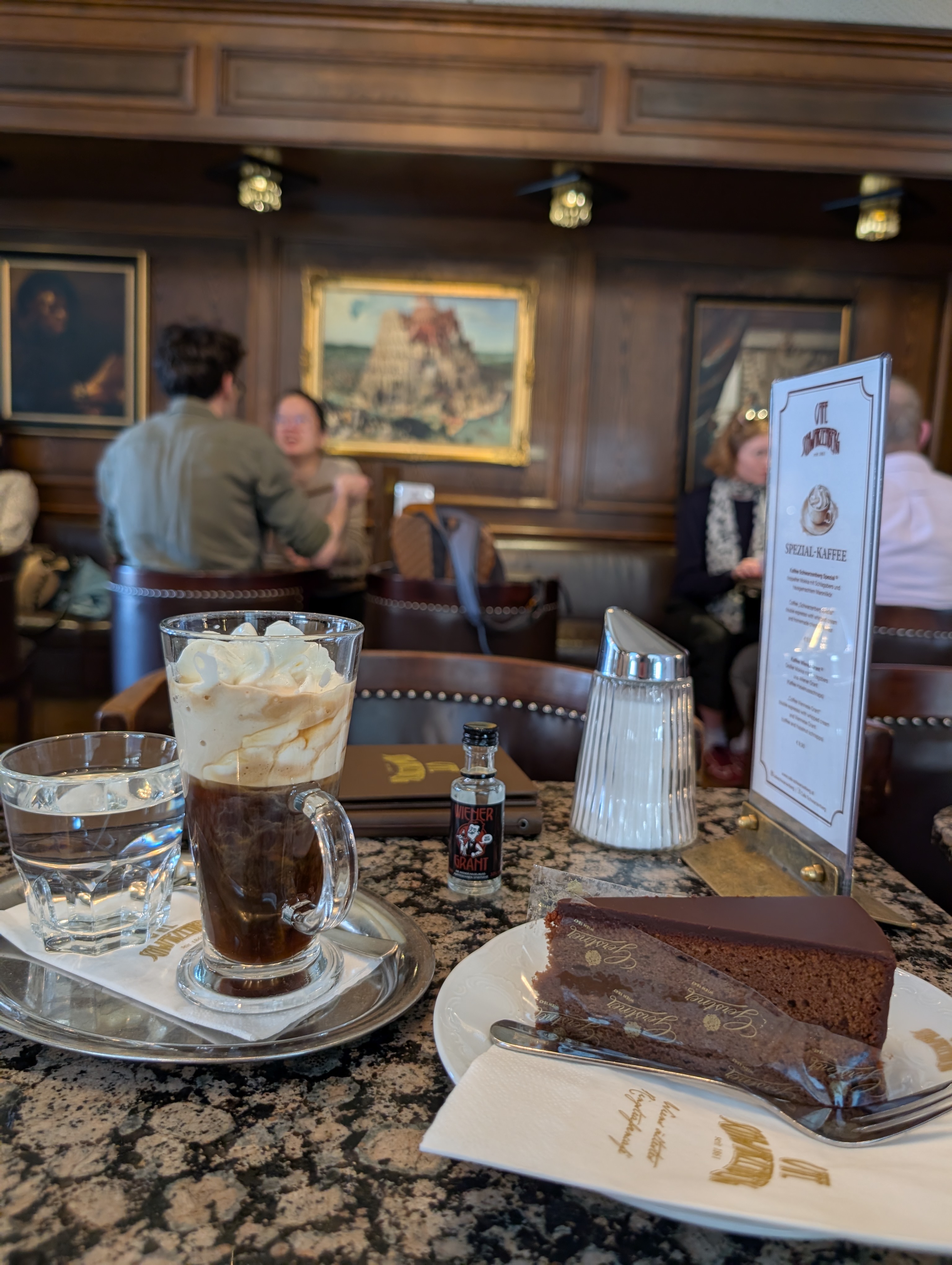
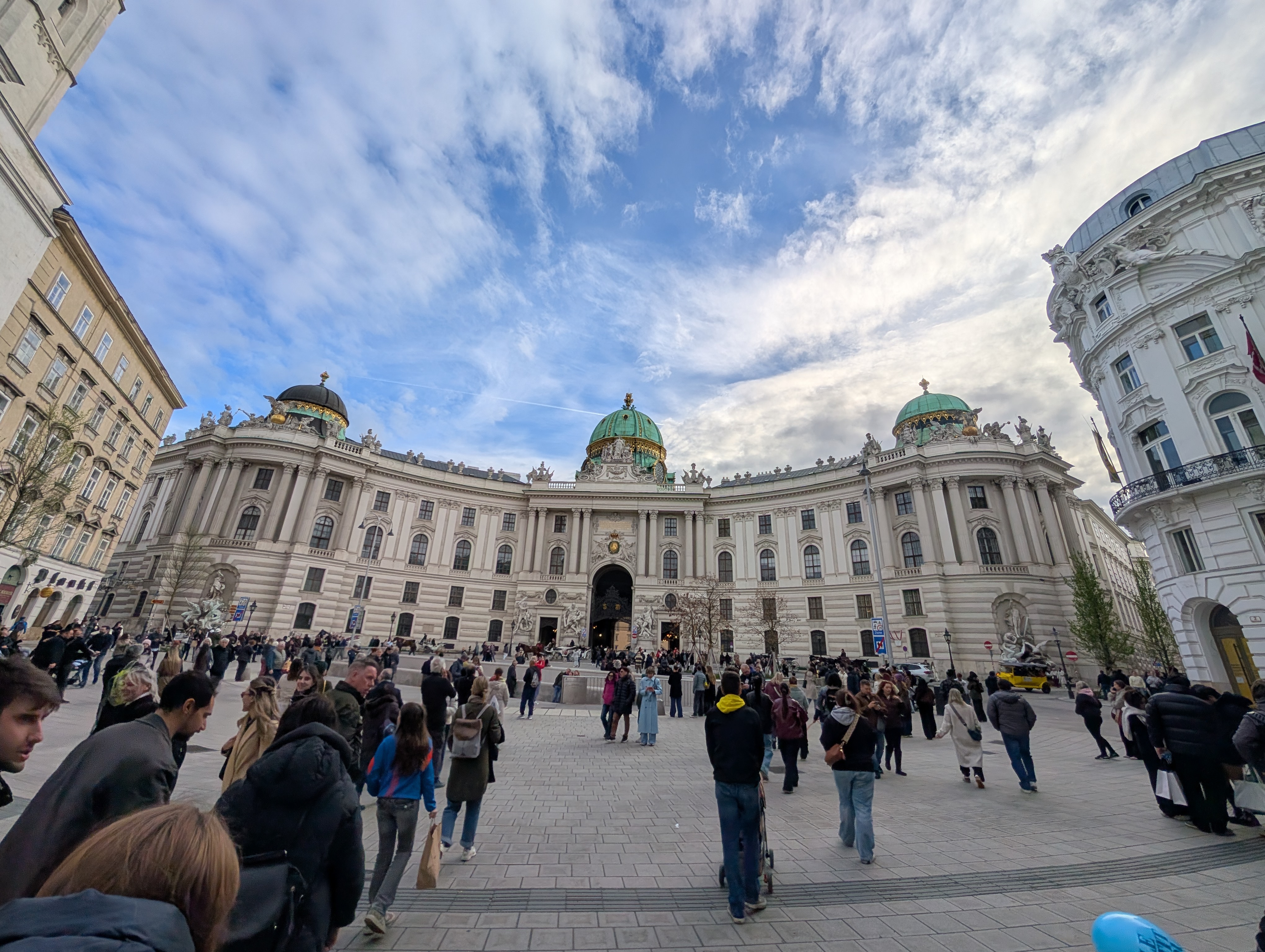
I live nearly my entire Vienna life inside the Ringstrasse, the former city wall now turned to a ring road with leafy biking and walking paths beside it. Over most of a day I make the circuit and fill my bingo card of the city’s greatest hits. I stop at this palace here and that composer’s statue there, past monuments to Habsburgs (mostly Franz Joseph), basking in its parks on a 75-degree day. Wiener stands offer lunches, and when I need a longer rest, there are cafes with coffees and sachertorte. As Zweig writes, “the Viennese coffee house is an institution of a peculiar kind, not comparable to any other in the world. It is really a sort of democratic club, and anyone can join it for the price of a cheap cup of coffee.”
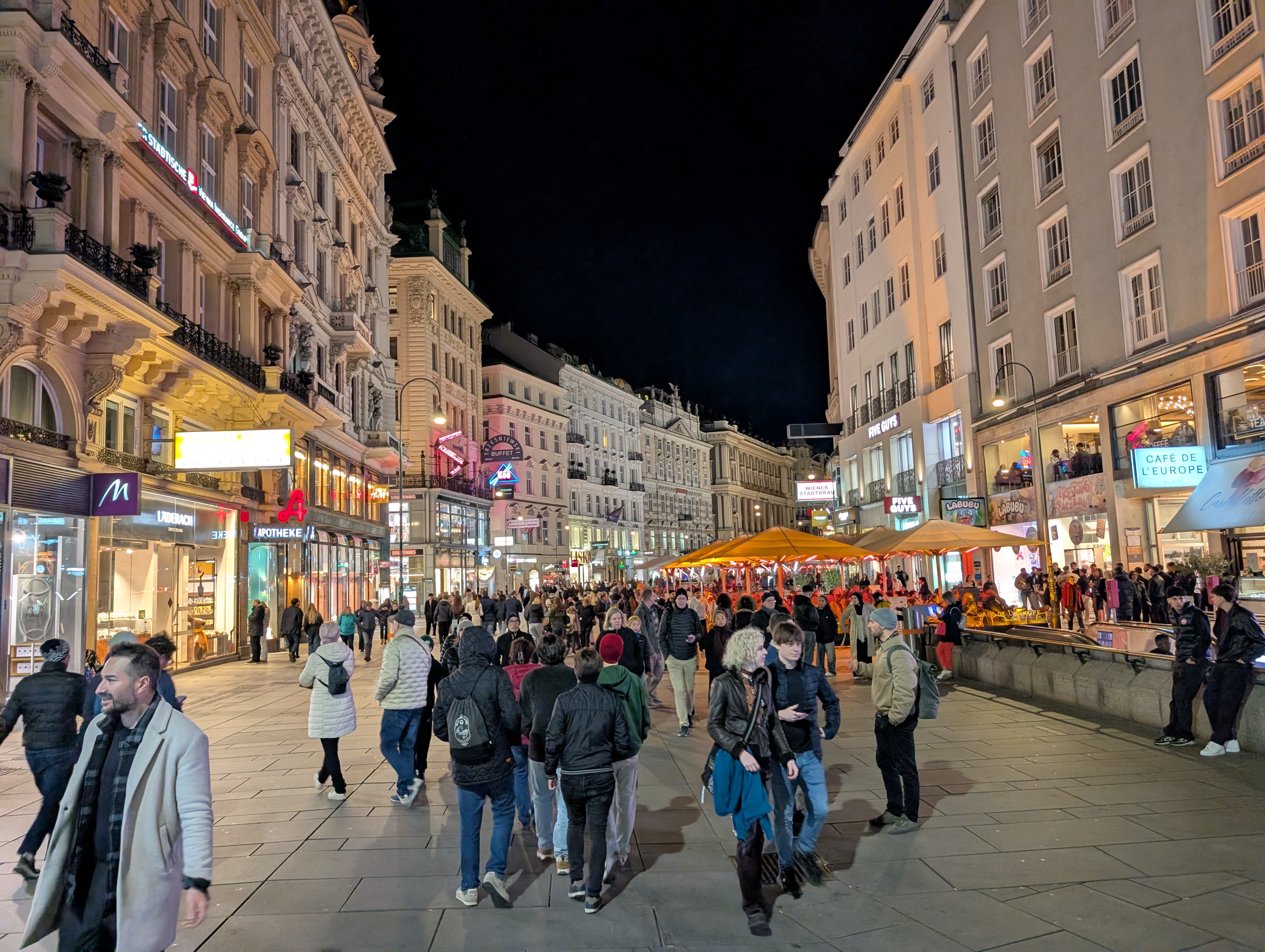
It is Easter weekend in Vienna. I am too late to properly enjoy the Easter markets, but I join the string of the curious who peek in on the candlelit Saturday mass at St. Stephen’s Cathedral. St. Stephen’s great Pummerin bell, made from melted down Ottoman cannons after the Turks’ 1683 failed siege and reforged with additional such cannons in storage after it fell amid Allied bombing in the Second World War, tolls out the good news. It rings only a few days a year, and chills go down my spine as I lie in my hotel bed two blocks from the cathedral, winding down around midnight after a long day of exploration and travel, and suddenly hear its deep, rich booms.
Another rite of Easter takes place at the Vienna State Opera, where Richard Wagner’s Parsifal plays. Parsifal clocks in at five hours with its intermissions and so is a bold choice for a first-time operagoer. It is Wagner’s final opera, a soaring work of spiritual and philosophical complexity. Its composer called it a Bühnenweihfestspiel (because of course there is a German word for “sacred festival stage play”), a Good Friday sermon on innocence and compassion’s triumph over the will, a break from some past Wagner (much to the Nazis’ disappointment) and a turn toward redemption. The Vienna State Opera has reset the drama in a modern prison, a Sartre-inflected take on how us modern knights might win our grails.
“This is ugly. This scene is supposed to be in a garden,” mutters my neighbor, a regular at the State Opera. But the music, he says, is sublime, and indeed Parsifal builds toward resolution, resolves in images of the titular hero wandering in snow-covered woods to a ruined temple, where he lights a fire and a new faith burns forth, ambiguous but still edging toward that redemption story, a reach toward a higher belief.
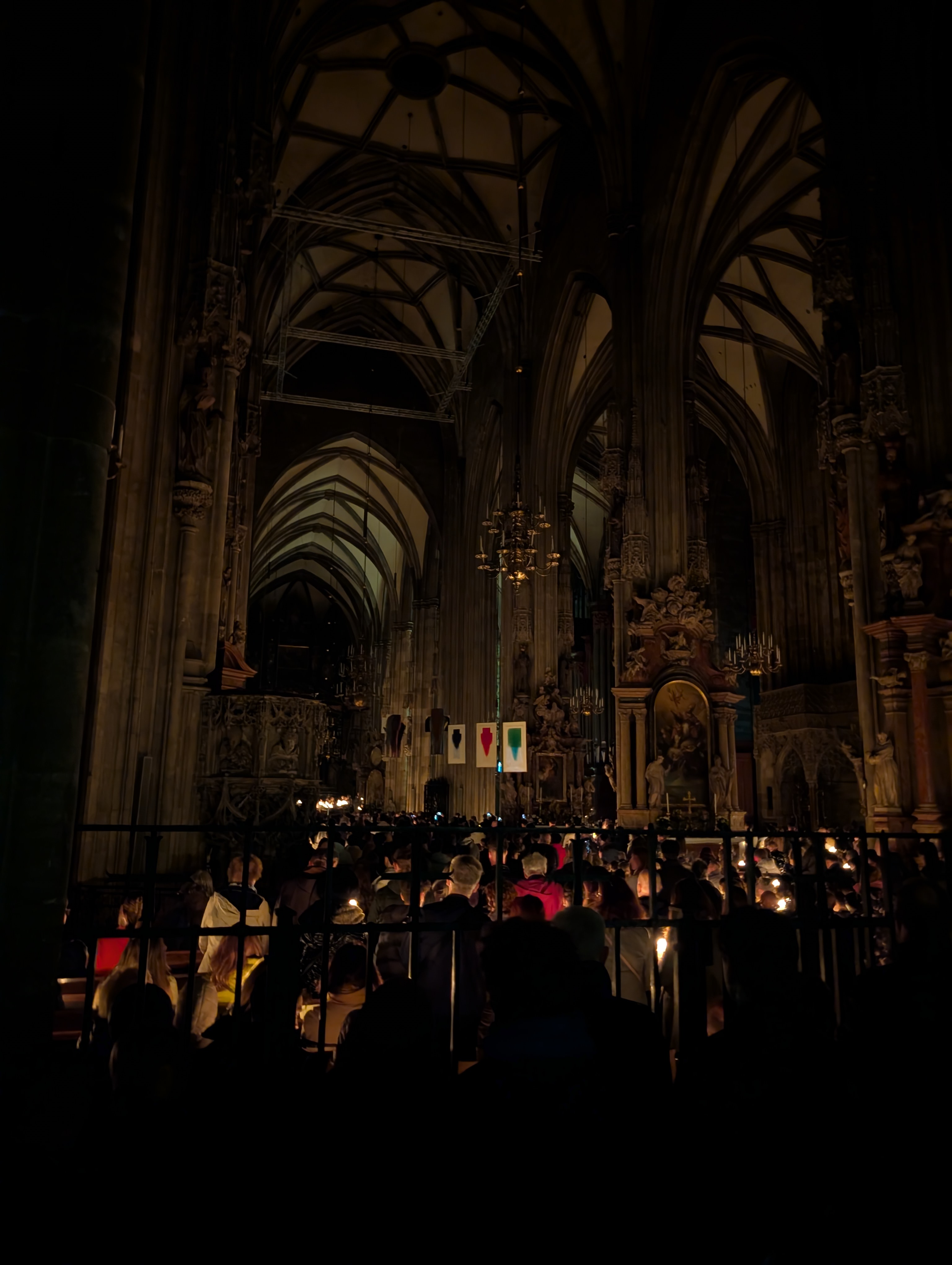
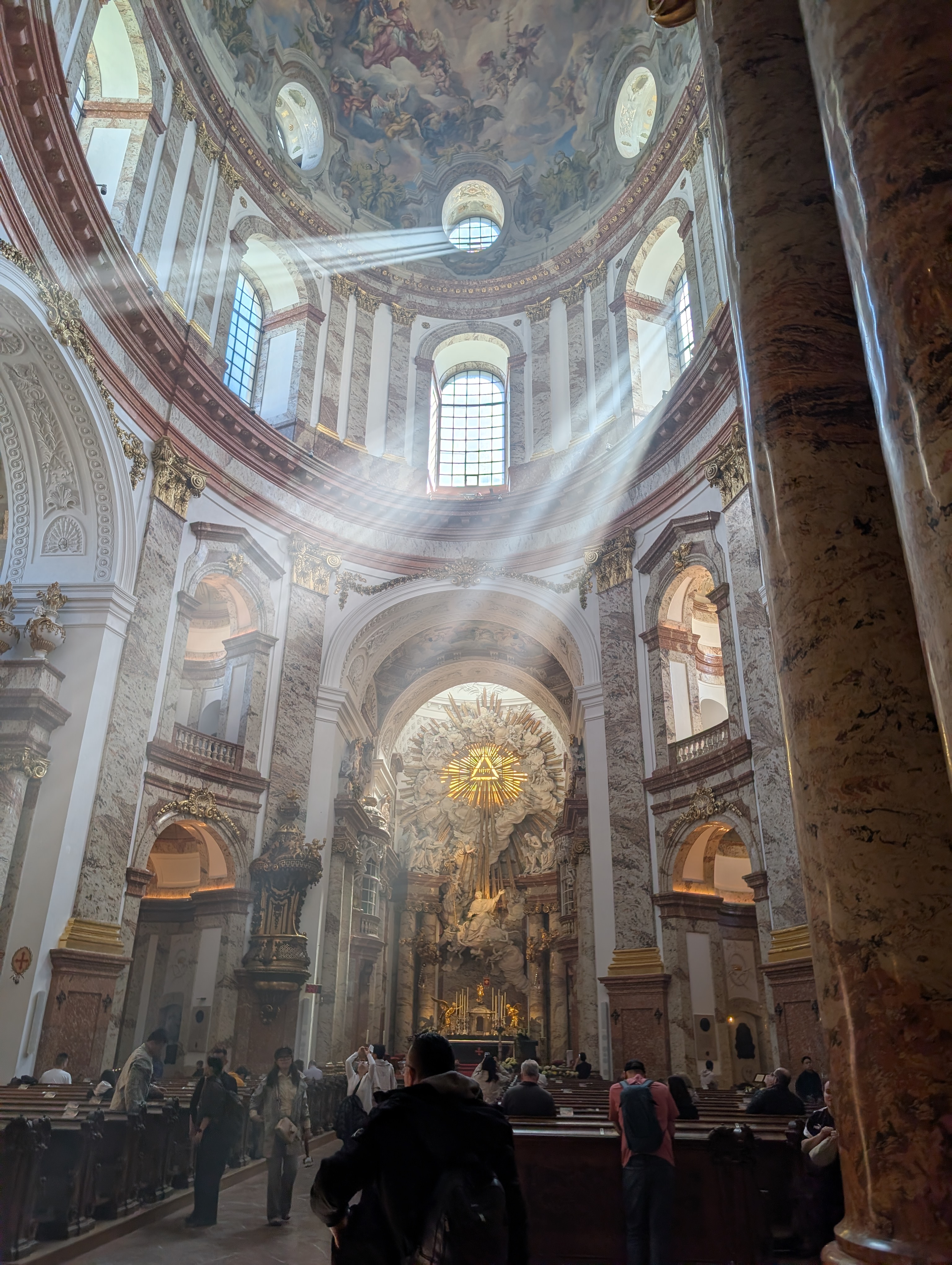
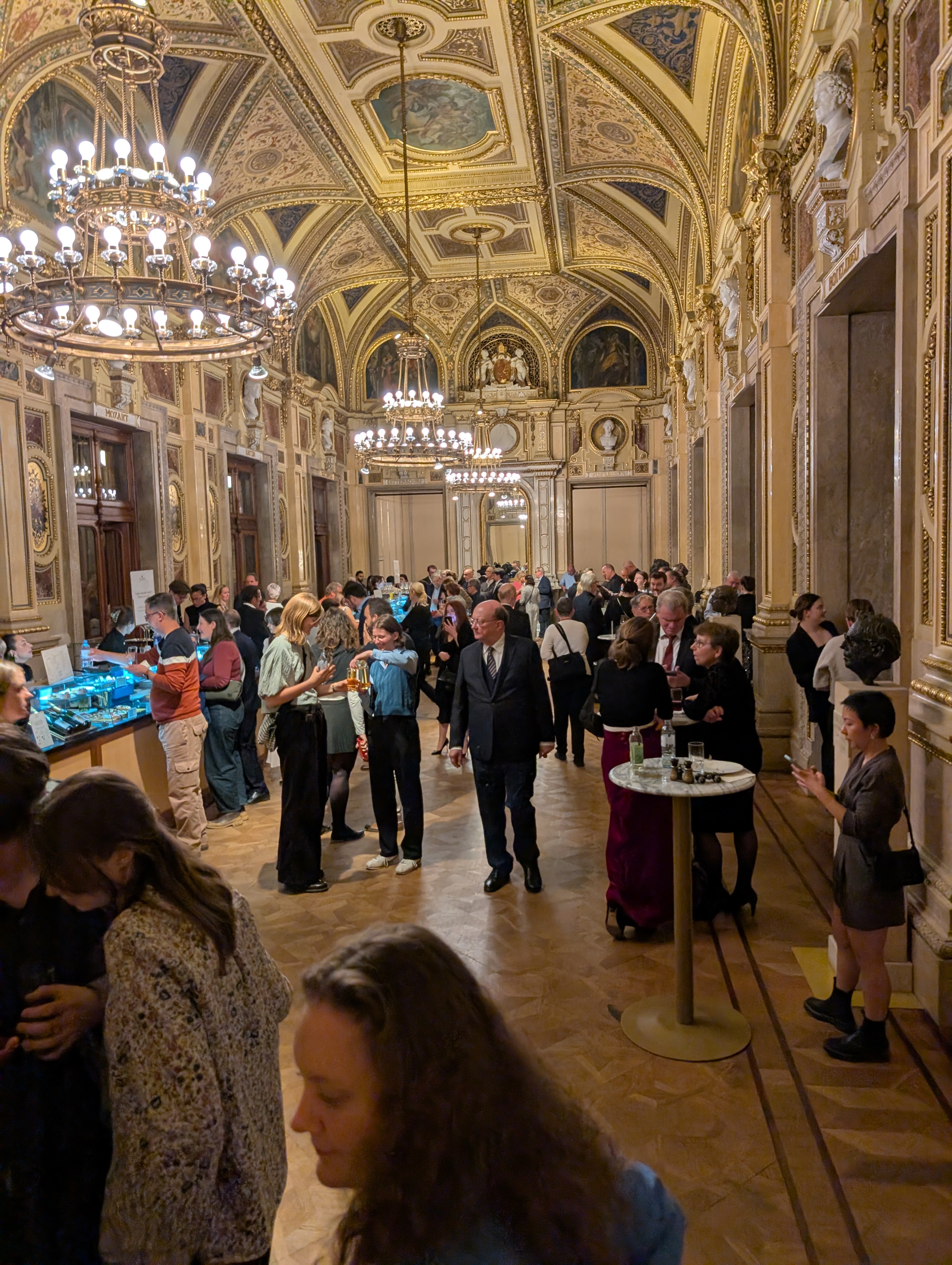
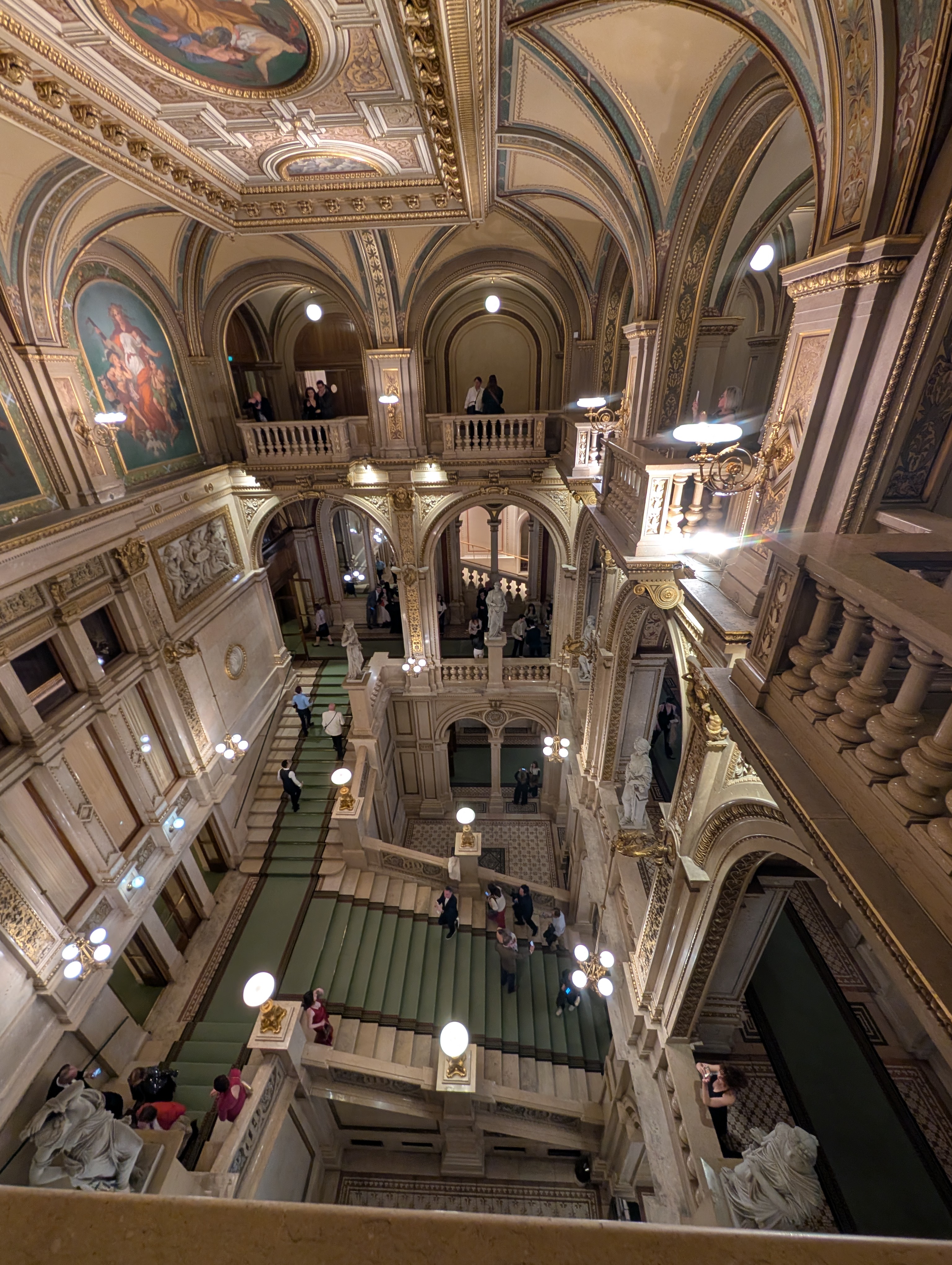
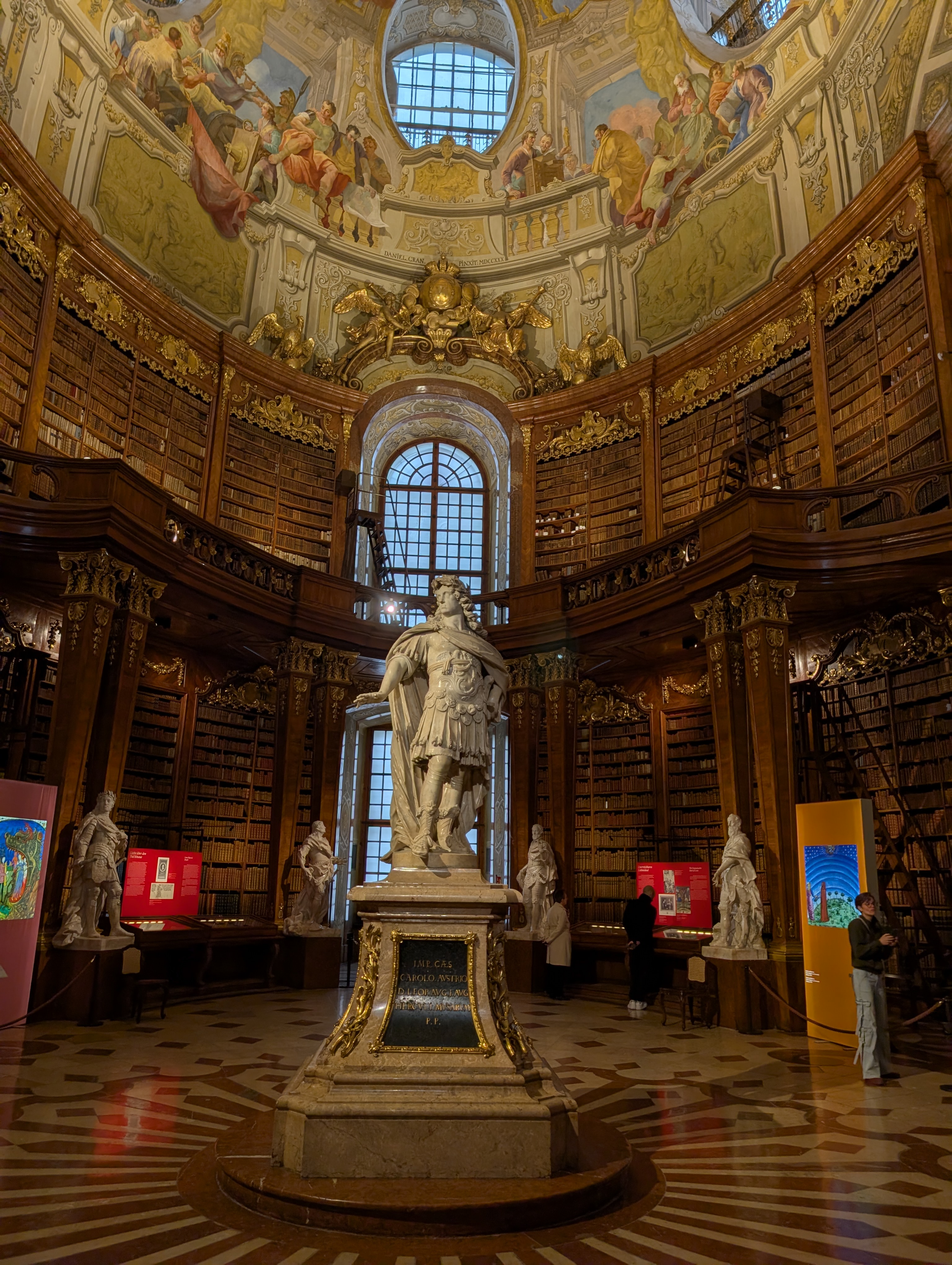
The rest of my time in Vienna is less about transcendence and more about enjoying the good life. I climb 343 stairs to a tower inside St. Stephen’s for a commanding view of the city, the Alps settling downward to the west and the Carpathian Basin opening up to the east. I visit the State Hall of the library at Hofburg Palace, a sterling collection of old books and maps, and a display of manuscripts and works on the nature of love. I peek into the Karlskirche (Karl’s church!) at the right time in the afternoon to catch perfect beams of sunlight filtering through. I sip a few glasses of Grüner Veltliner, a crisp white wine native to Austria, and make do with clean but unremarkable local beer. I make sure I’m back in front of St. Stephen’s for the second ringing of the Pummerin at noon on Easter Sunday.
Vienna is a monument to Western civilization, a bastion that has held firm to protect some of its creative peaks. Its annexation by the Nazis in World War II perhaps showed the limits of Habsburg-style accommodation, but it has settled back into its role. The opera clientele, while still greying a bit, was substantially younger than any such crowd in the States; there seems to be a certain understanding that Vienna will continue to fill this function. Sure, many European city centers are museums to a cultural past with well-kept squares and quaint streets and expensive traditional food on patios alongside luxury shopping, but in Vienna it seems like what the city is meant to do, to offer up to us passers through. It’s just as Billy Joel said: Vienna waits for you.

