This is the fifth post in a seven-part series that began here.
I board a train from Vienna and spend a pleasant hour in a compartment with a British family on Easter holiday who are also on their way to Prague. We change trains at Breclav just across the Czech border, and are separated as we wedge into a standing room only Czech train. The flatlands of the Carpathian Basin fade away and we rise up through the Bohemian Forest hill country, springtime bringing forth flowers and fresh leaves and sunlight dancing on the stream along the tracks. Czechia lacks Austria’s pristine order but remains well-kept and takes on a bucolic air, more integrated with nature than in the crisp Teutonic lines cross the border.
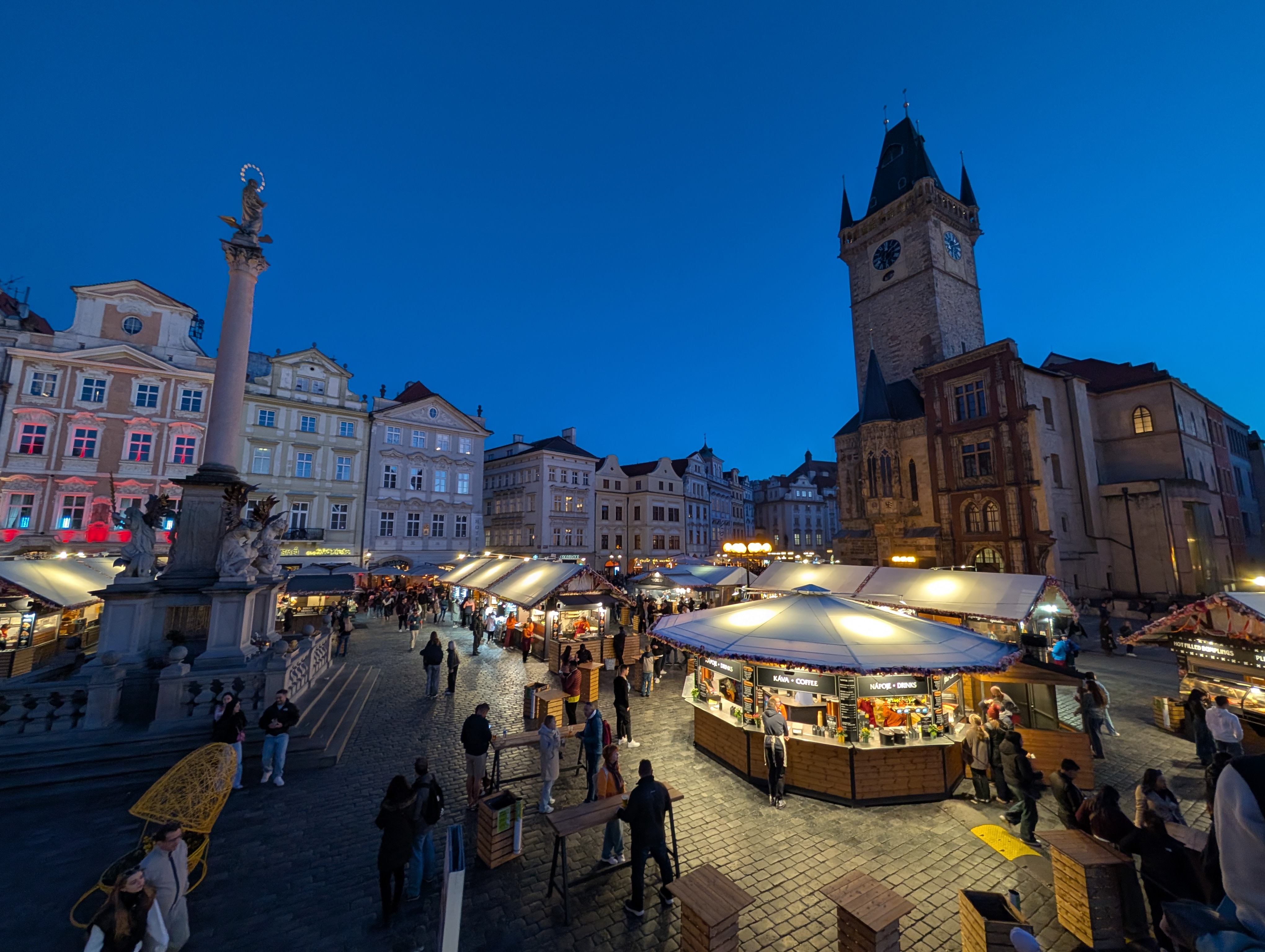
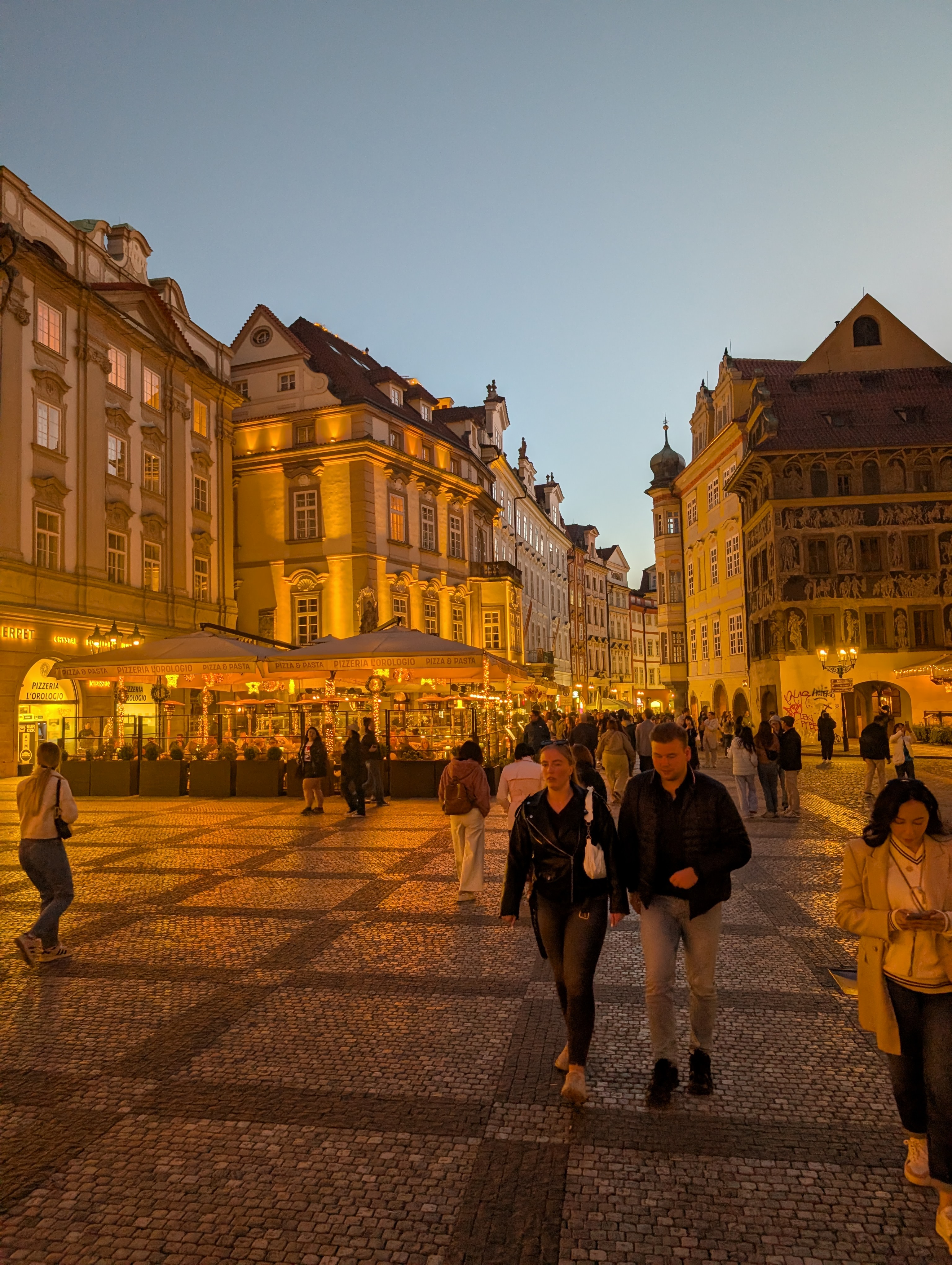
My first impression of Prague, after dumping my bag and walking to the Old Town Square two blocks from my unit, is one of overwhelming charm. It is dusk, and the light of day melts into the lit-up glow of historic buildings. An Easter market is open in the square, little huts all selling traditional Czech fare, and the trees are spangled in springtime ribbons while traditional choir music floats in on the light breeze. I piece together a meal from the various stands, sample a mulled wine, and drift from one corner to another. If Vienna is grand and stately, Prague takes the same instincts and scales them down to something heartwarming, a fairy tale Europe spared the worst of the World Wars and ready to welcome in the tourists.
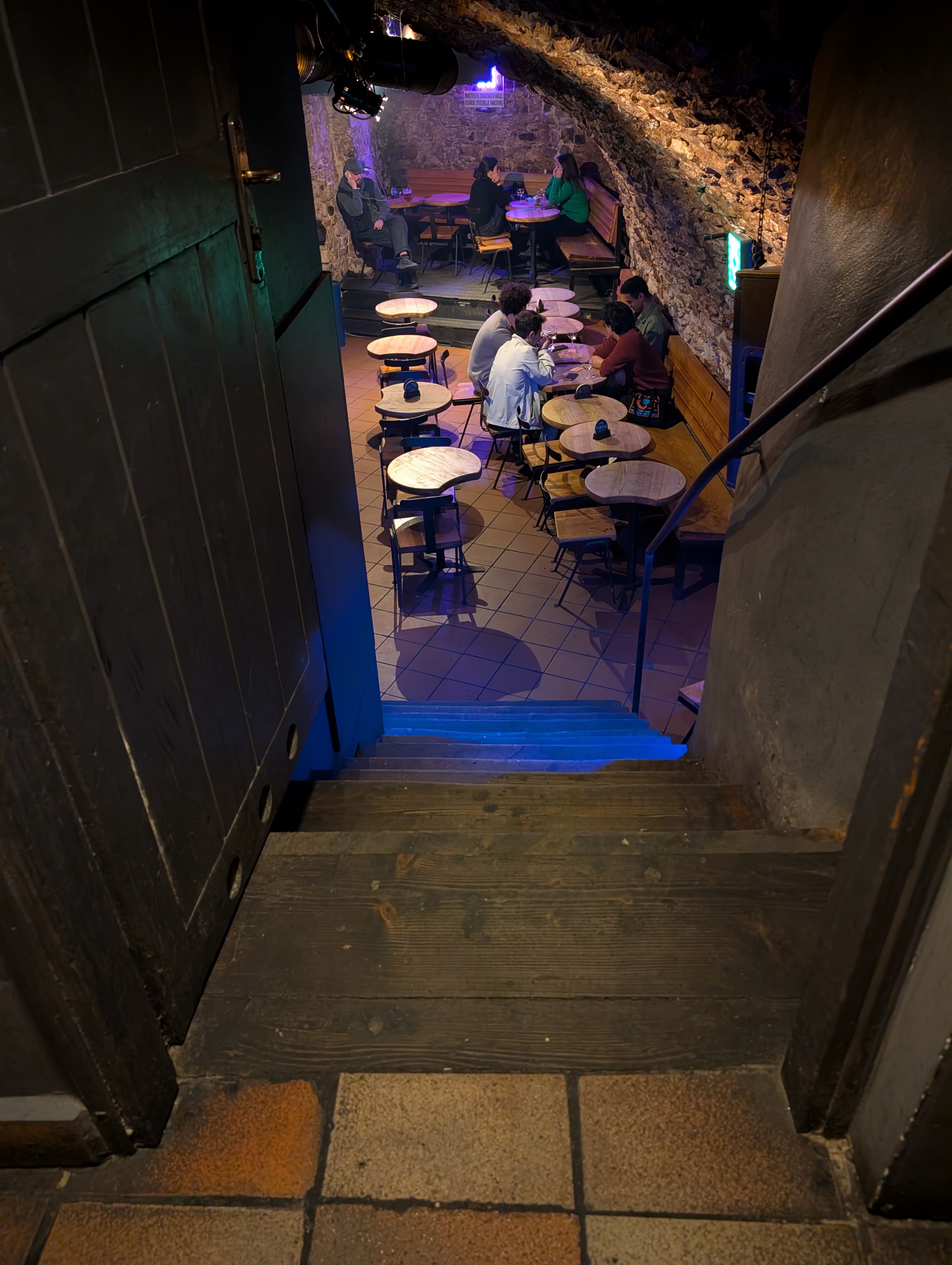
And oh, does it welcome them. Prague is surpassed in tourism numbers only by the grandees of Europe like London and Paris, but is a fraction of their size. There is about as much Mandarin and English as Czech on the Old Town Square. I am warned by multiple people that British bachelor parties are known to swamp the city. At peak times, especially this holiday week, some of the streets around attractions are truly clogged; on main streets, there is a steady soundtrack of suitcase wheels trundling over cobblestones. At U Sudu, a marvelous cave complex of a bar, I wind up in a catacomb populated mostly by American and British college kids, here on some mix of study abroad and spring break trips, all experimenting with the heretofore forbidden pleasure of smoking indoors while drinking. Count on the Euros to give the Anglos a good crash course in hedonism.
In Prague I’ve taken a studio unit attached to a hostel, which, after a week of eating out on hearty central European fare, offers a welcome opportunity to pick up some basics from a Czech greengrocer (no signage in the windows necessary these days) and enjoy a few meals in. Consistent solitary eating out may be the weirdest part of traveling alone, though at least in Prague it is always accompanied by good beer, and a duck I have a few blocks off Old Town Square is the best of that bird I’ve ever had, melting away in my mouth.
Here in Czechia I have left the lands of imperial aspirants and entered a nation state pieced together out of a few old fiefdoms that shared a general language. The history of north central Europe is one of stray principalities and duchies and margraviates, electors of Holy Roman Emperors who only nominally led them. Eventually the Habsburgs chipped away at parts of this world, including Czechia, and nationalism rose alongside Napoleon; a subsequent century was defined by the rise, conquests, and struggles to contain Germany. Now, Czechia has reached a stable state: comfortably its own little self, at peace with the Germans and Austrians and buffered somewhat from Russian revanchism to the east. It is the most affordable city I visit on this trip (with an asterisk on Istanbul, which is cheap in some ways but extracts every last lira for its attractions). As a society it reminds me somewhat of Portugal: safe, stable, reasonable, and deeply rooted, therefore proving alluring to outsiders, trading wine and coastline for beer and woodlands.
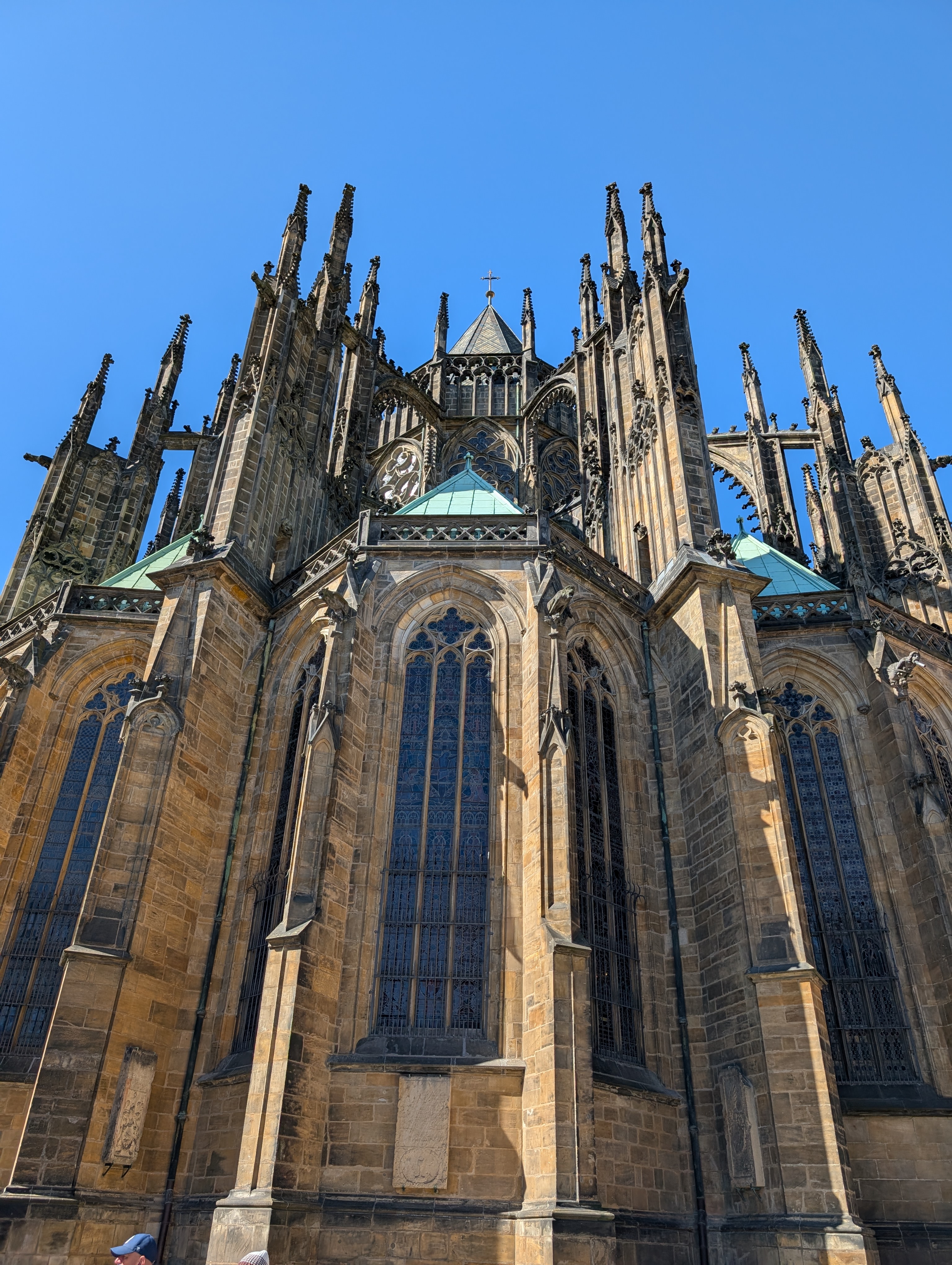
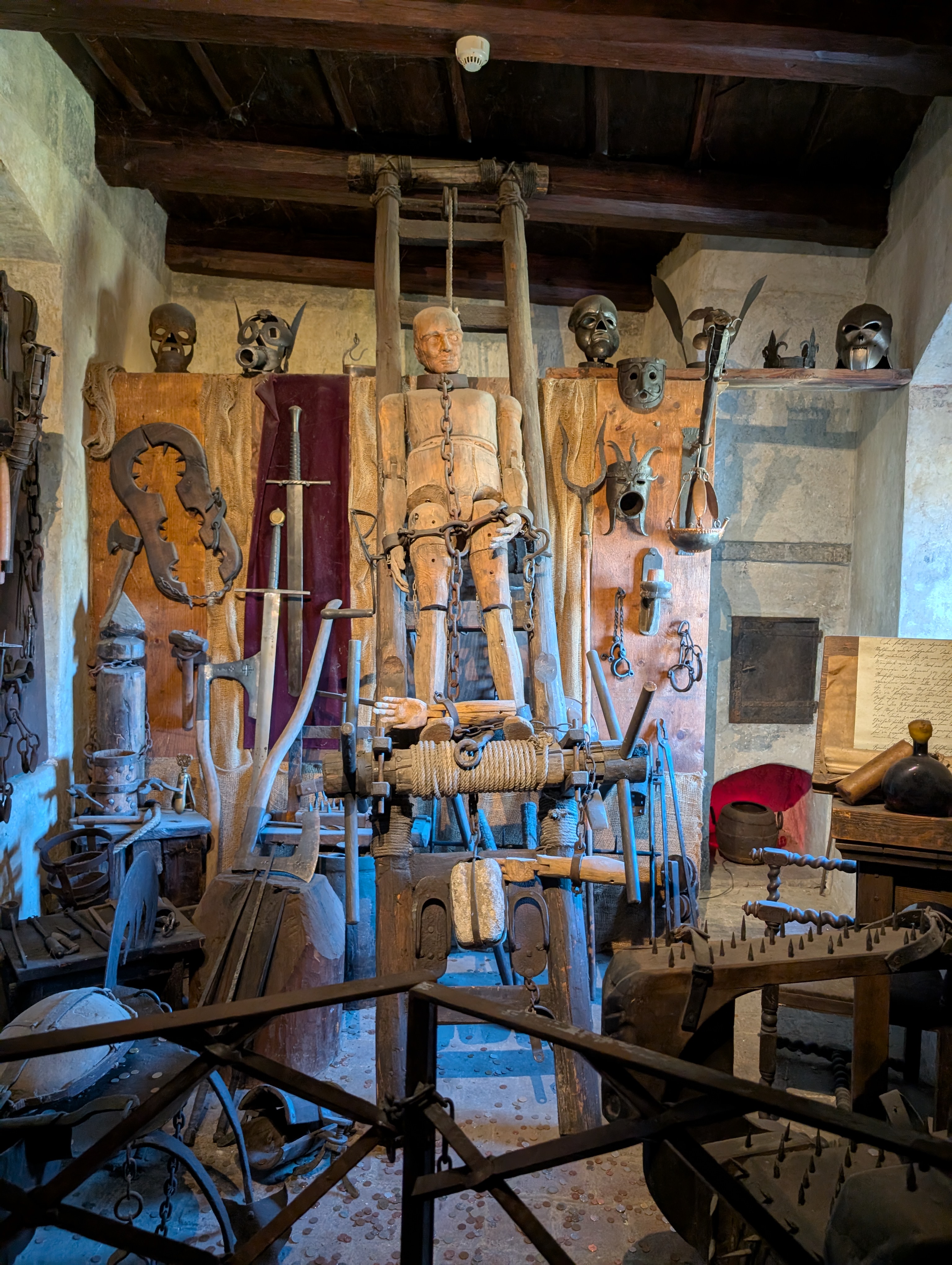
The history here feels more obscure than in other parts of Europe. My knowledge of Bohemian kings is limited to a single Christmas carol about a good one who fed a peasant. The less good ones devised some impressive torture instruments, many of which are now on display at Prague Castle. As in Budapest, it’s less a castle than a sprawling complex, home to the presidential palace and some houses of worship along with old residences of kings and their attendant households. St. Vitus’ Cathedral is a gothic skyscraper with stellar stained glass, and the Czechs claim to have some of Moses’ staff; I wonder if they’ve compared notes with the Ottomans on this, as the Turks had the whole thing on display in Topkapi Palace.
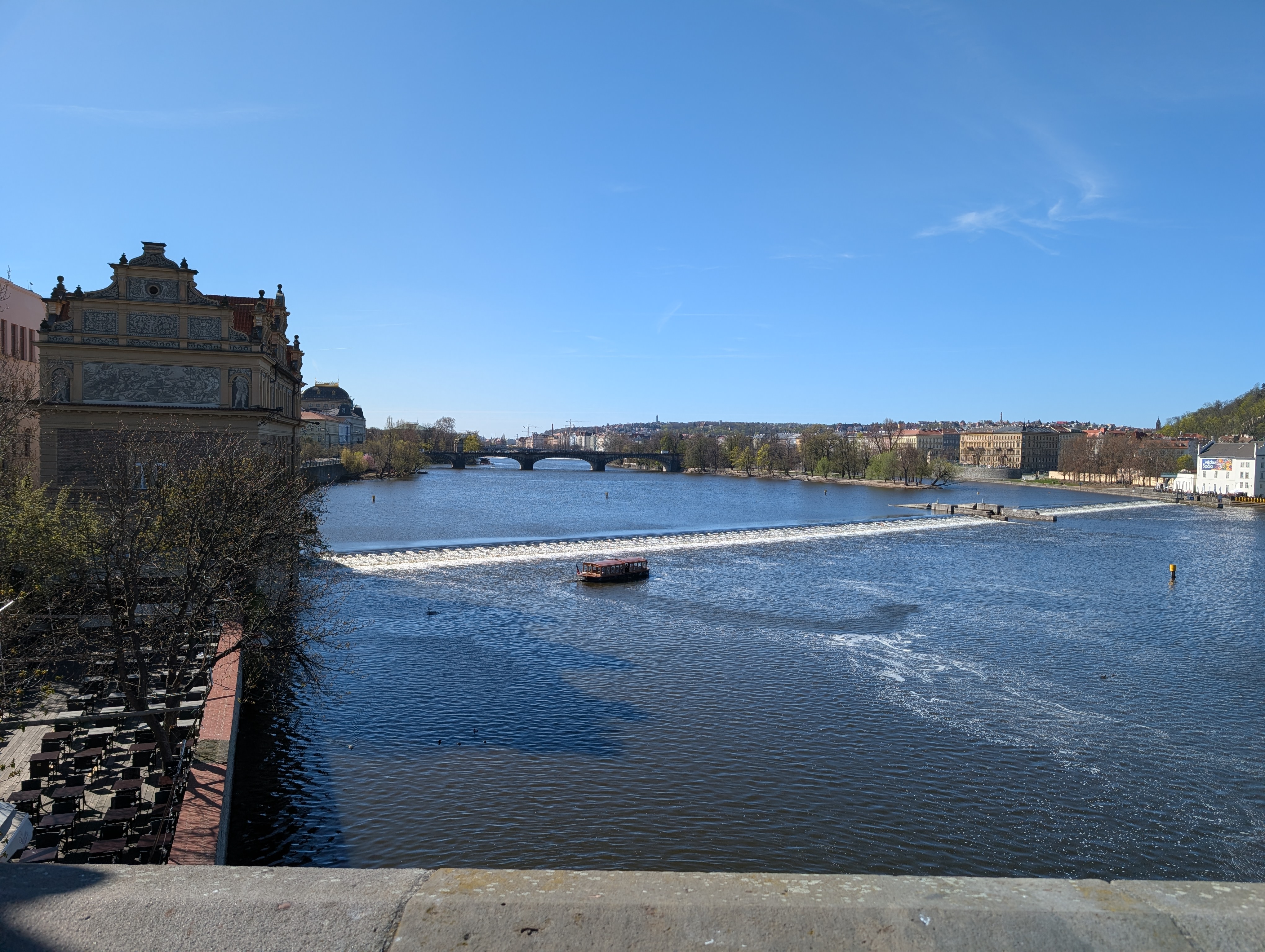
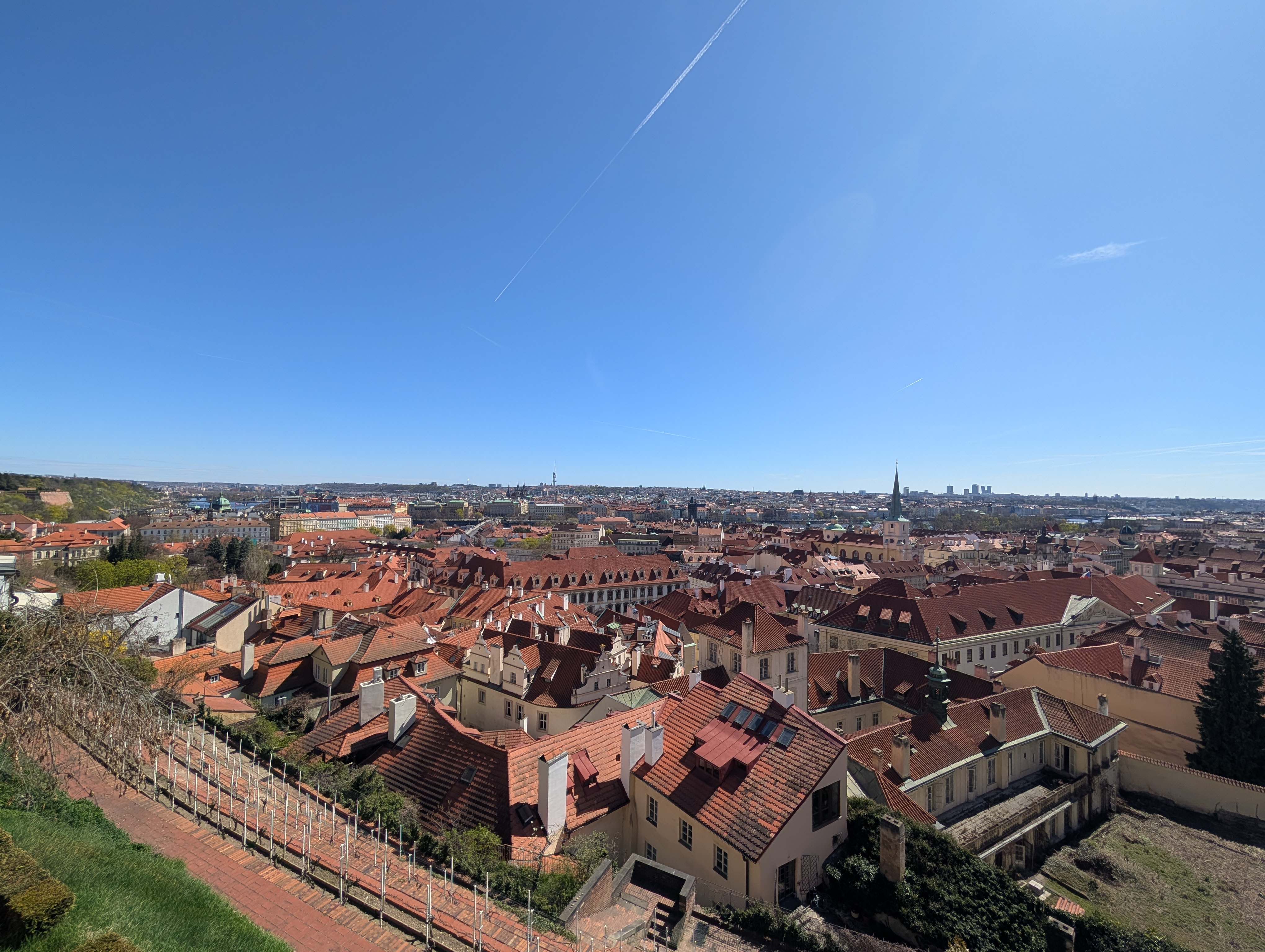
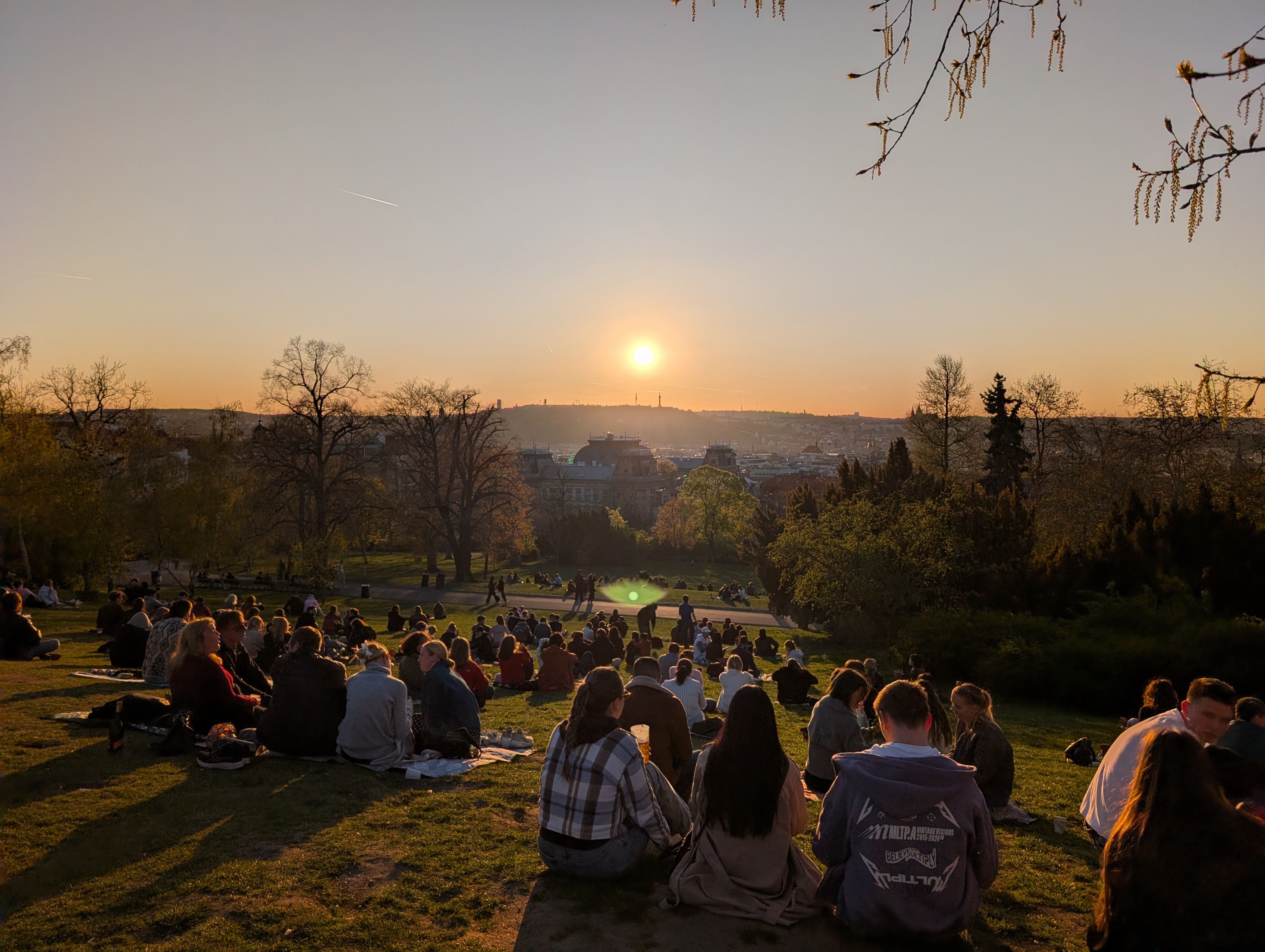
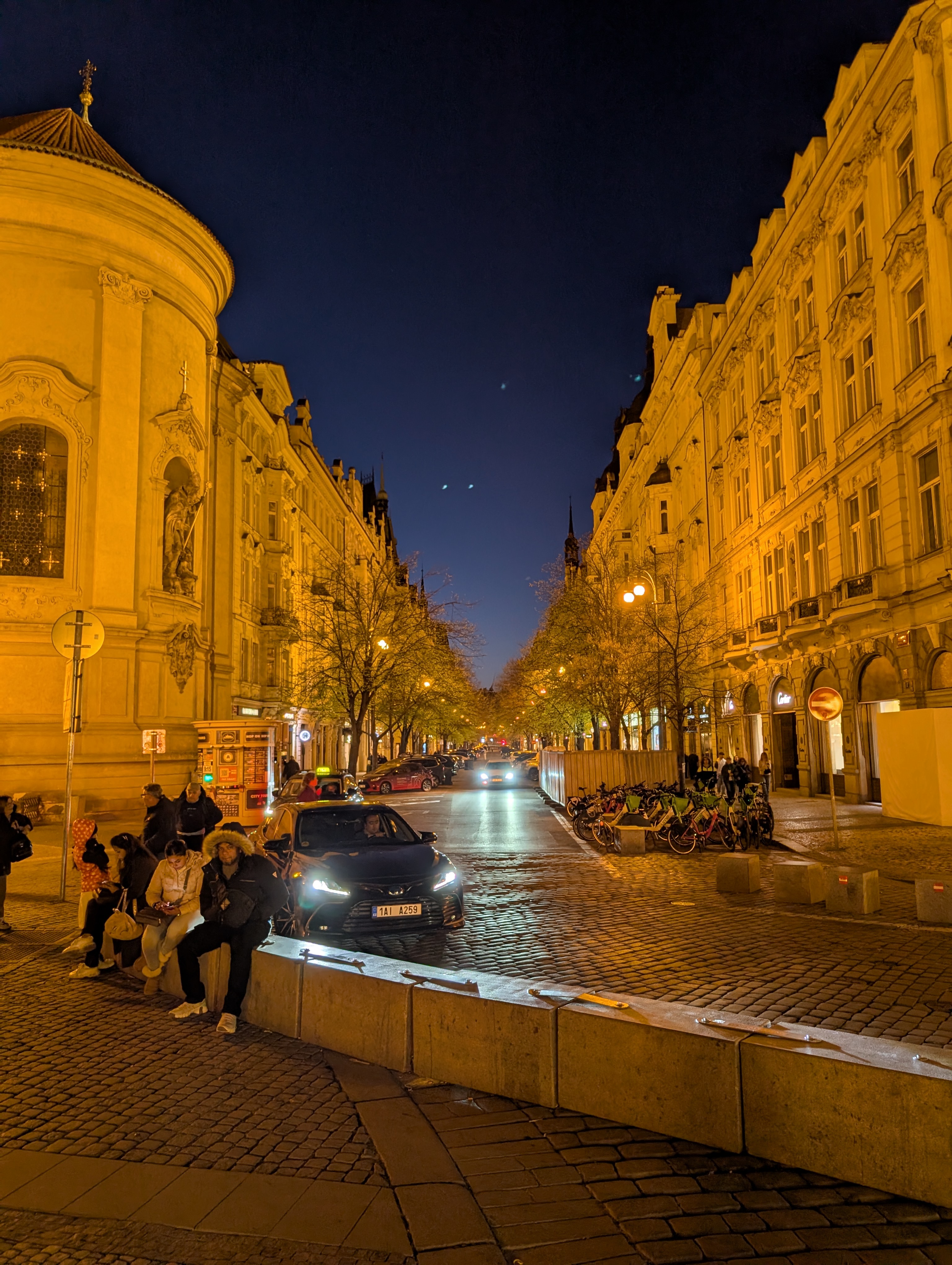
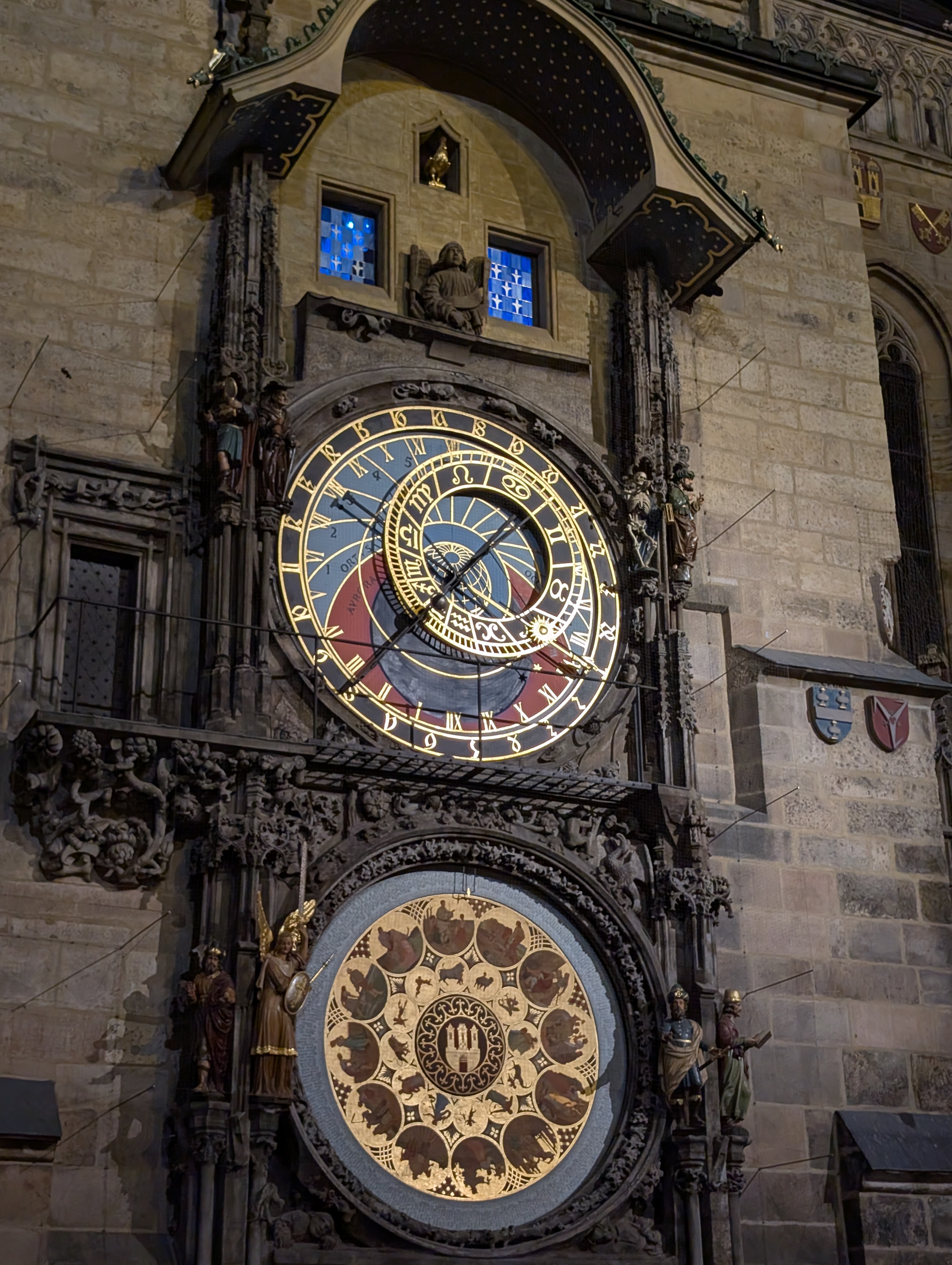
The Castle is a worthy destination, but Prague is best experienced by idle strolling. Only in Venice and perhaps Madrid have I enjoyed more serendipitous walks around town. A planned venture to dinner or back for a nap turns into a meander of double the planned distance, because doesn’t think alley here look like it deserves an exploration? There are highlights: the Orloj astronomical clock tower on Old Town Square, the Franz Kafka head, the Powder Tower, the Eiffel Tower knockoff. On these warm spring days, Prague is most resplendent along the Vltava River, where a series of old stone bridges span its waters and boats ply about and a climb up into the park north of the center will take one to a giant metronome (the Czechs like their timekeeping devices) and a lovely terrace overwhelmed by Lithuanian basketball fans. To the east, I’m tipped off on the best hill to watch the sunset, not far from the weird tower with babies crawling up it, and I spend a happy evening among Czechs parked on blankets or in the grass, playing a little music and sipping a few drinks, pleased that spring has arrived.
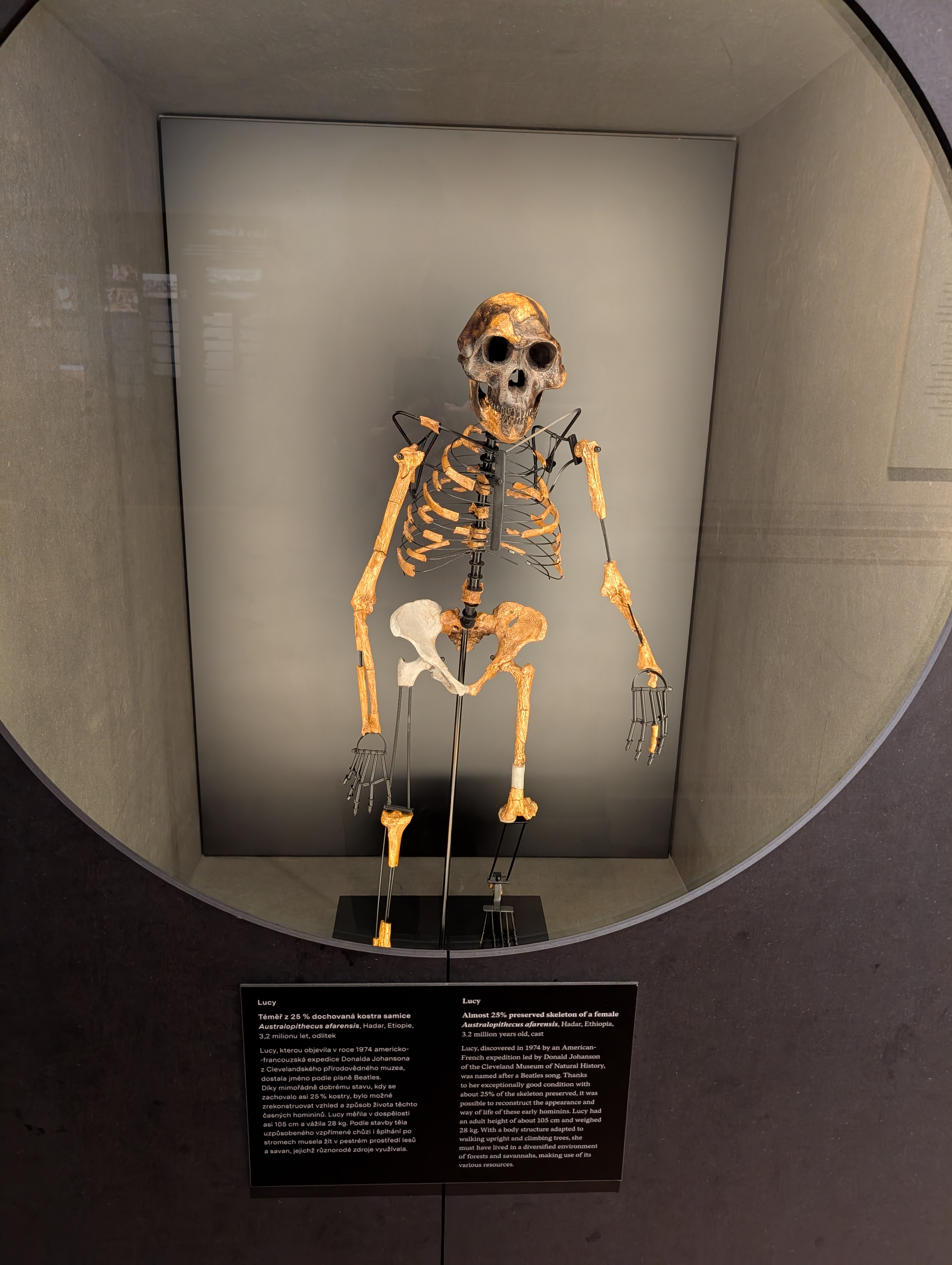
Prague has made itself the city an American might dream of when coming to Europe. It is easy to forget this country was occupied by both Nazis and Soviets not that long ago, and underwent a divorce with Slovakia even after its triumphant Velvet Revolution. Unlike Budapest, it does not commemorate much of this history in monument in the city center, and Wenceslas Square, home to the protests of both the crushed Prague Spring and the successful revolt that toppled the communist regime, is largely torn up for reconstruction. The National Museum at the far end of the square tells some of this story in its modern wing and in a video display in a tunnel between buildings, but the great domed structure is more focused on a hall of gemstones and some more distant Czech founding fathers and, for some very deep history, the skeleton of Lucy the Australopithecus. Unlike the Hungarians, the Czechs appear content to nod to the past and move on, settle for their very large party in the present. For a few days, I am happy to kick back with a few pilsners and drift into its flow state, at one with it.

