This is part 3 in a 7-part series that started here.
My Orient Express dream died when I chose the reverse route for this trip, and so, when posed with a choice between two nights on Bulgarian national railways and a $150, 1.5-hour flight from Istanbul to Budapest, it is an easy choice. The travel experience is a breeze: Istanbul’s airport is a grand one, gracefully reminiscent of the city’s mosques. Turkish Airways offers a full meal and free booze on this puddle-jump into the heart of Europe, proof we Americans are suffering for no good reason.
My cab in from the Budapest airport shows me I’m in a different world. Suburban-style box stores line the highway, and my driver blasts his classical music; we start with Smetana, presaging my visit to Prague, but as a good Hungarian, a Bartok station is in his presets. We roll into the historic center past a grand central train station, lit up for the night, and the sounds of boisterous crowds echo down the streets when I’m dropped off.
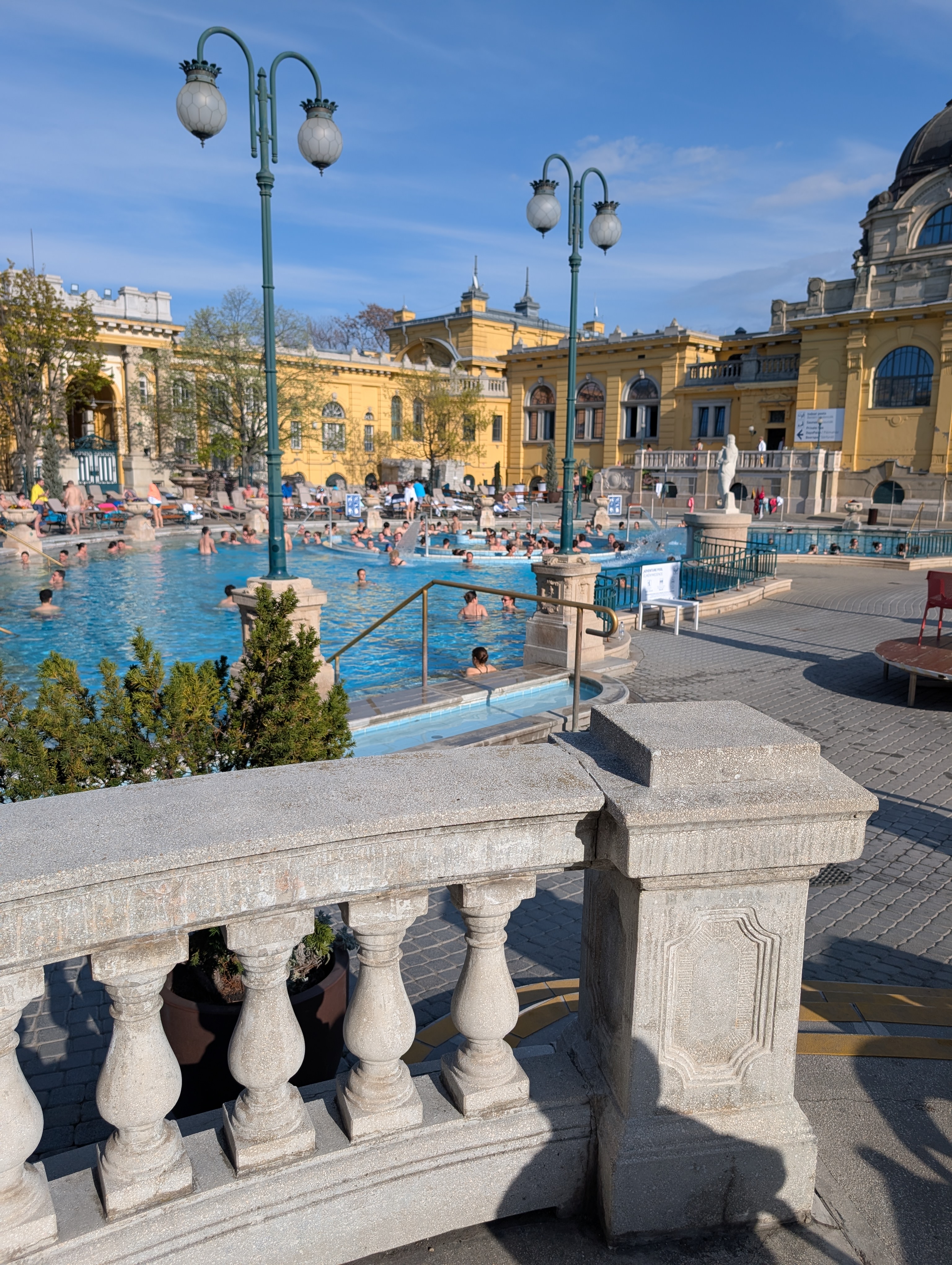
I’ve taken a private room in a hostel, Jo & Joe, in Pest’s Jewish Quarter. Some grand old synagogues line these streets, though so too do memorials to the ghetto and subsequent trains to concentration camps organized by the Nazis and their local collaborators. Now, the Quarter is a trendy neighborhood home to good nightlife, laden with lángos and goulash and beer purveyors, along with the cosmopolitan smattering of options you’d expect in this part of a large city. It’s an easy walk from here to both the Danube in one direction and in the other to Széchenyi baths, where I bask in a series of thermal pools the following afternoon. The highlights of Széchenyi include a beer bath, which includes both hop water and a tap easily drawn from the adjacent tub, and the Adventure Pool, where a strong current around a central circle results in a seemingly endless conga line of delighted swimmers, all circling in the same direction. Life is rough.
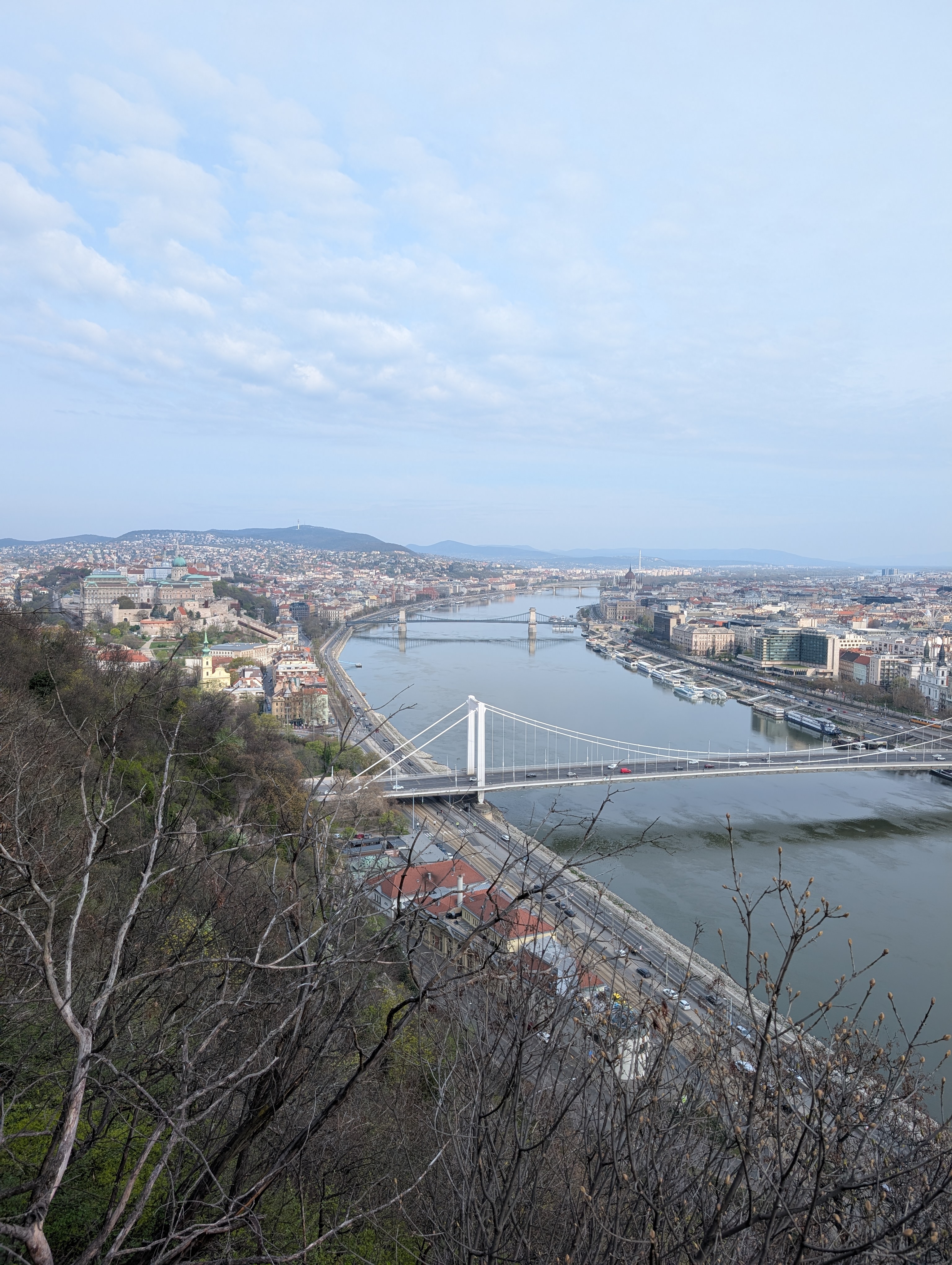
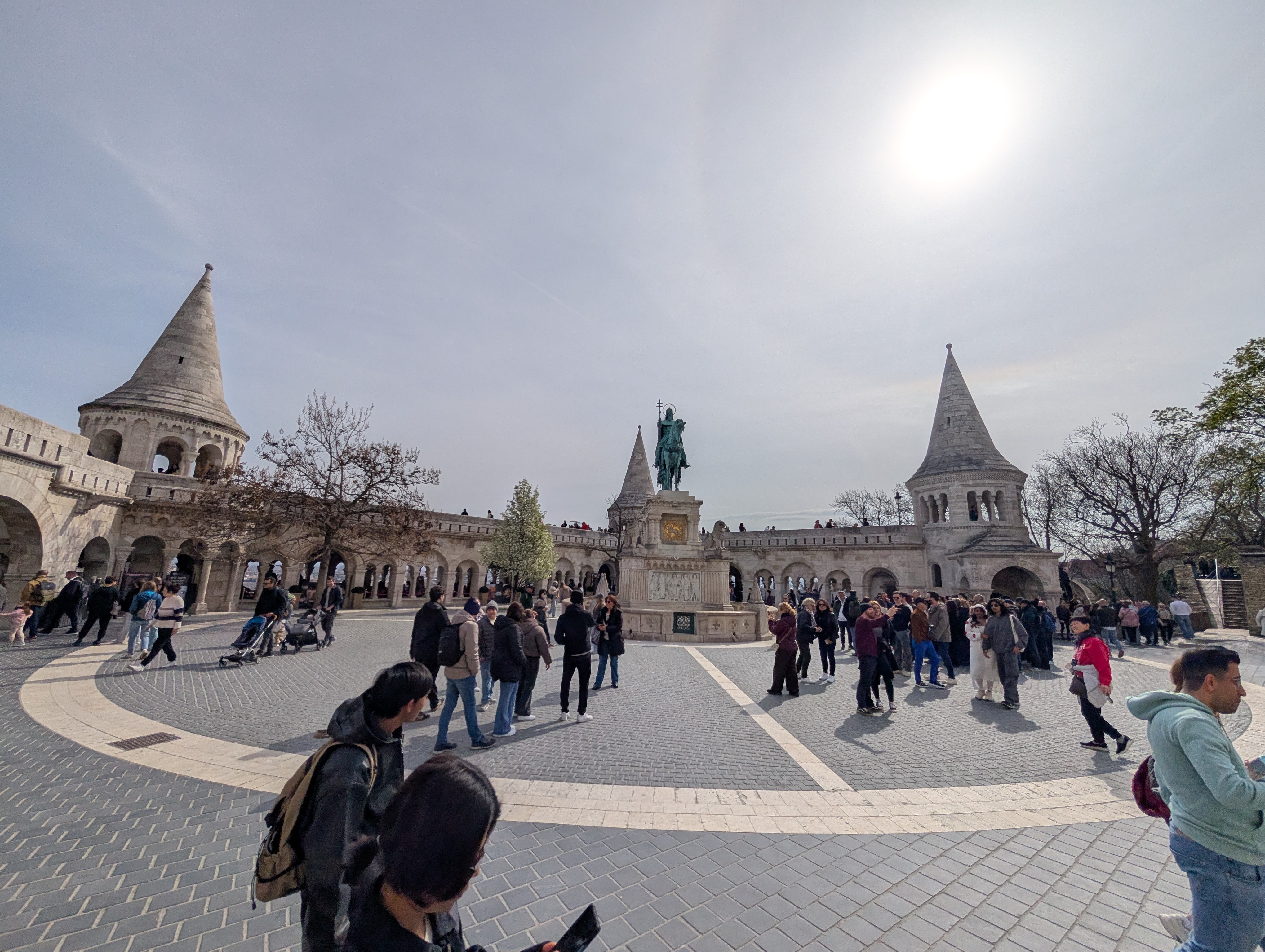
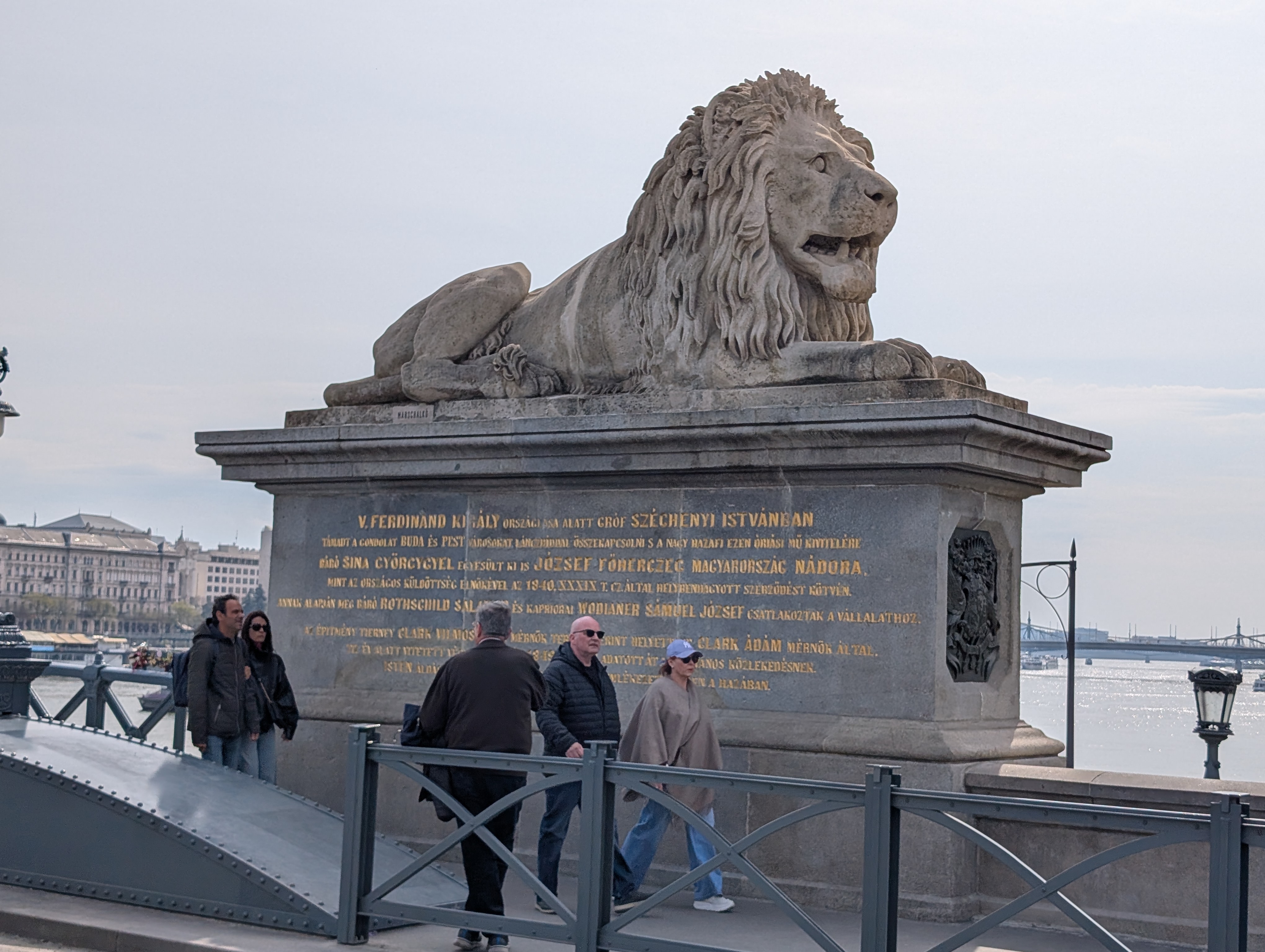
On the west side of the Danube, in Buda, hills rise sharply from the riverbank. The first I climb is the Citadella, its statue of liberty at the top set to be reopened after restoration the week after my visit; various armies shelled the city from up here, and the Soviet soldier who had been gazing up at lady liberty has been replaced by a cross. On the next hill is Buda Castle, still in restoration after World War II bombing and subsequent neglect, iteration after iteration of a grand fortress that has been through it all. Past a gilded Habsburg gate is the palace of the President of Hungary and a postcard village of an old town. Hungarians like to charge for entry to churches, so I skip Matthias Church, though I do shell out the few forints necessary to climb the stairs to the Fisherman’s Bastion with its views of the Danube. Back over in the flatlands of Pest, an underground memorial to the 1956 Soviet slaughter of civilians sits in front of Parliament. A block away, Liberty Square features statues of external liberators: Ronald Reagan, an American general, a proletarian Soviet soldier. It is a curious take on liberty.
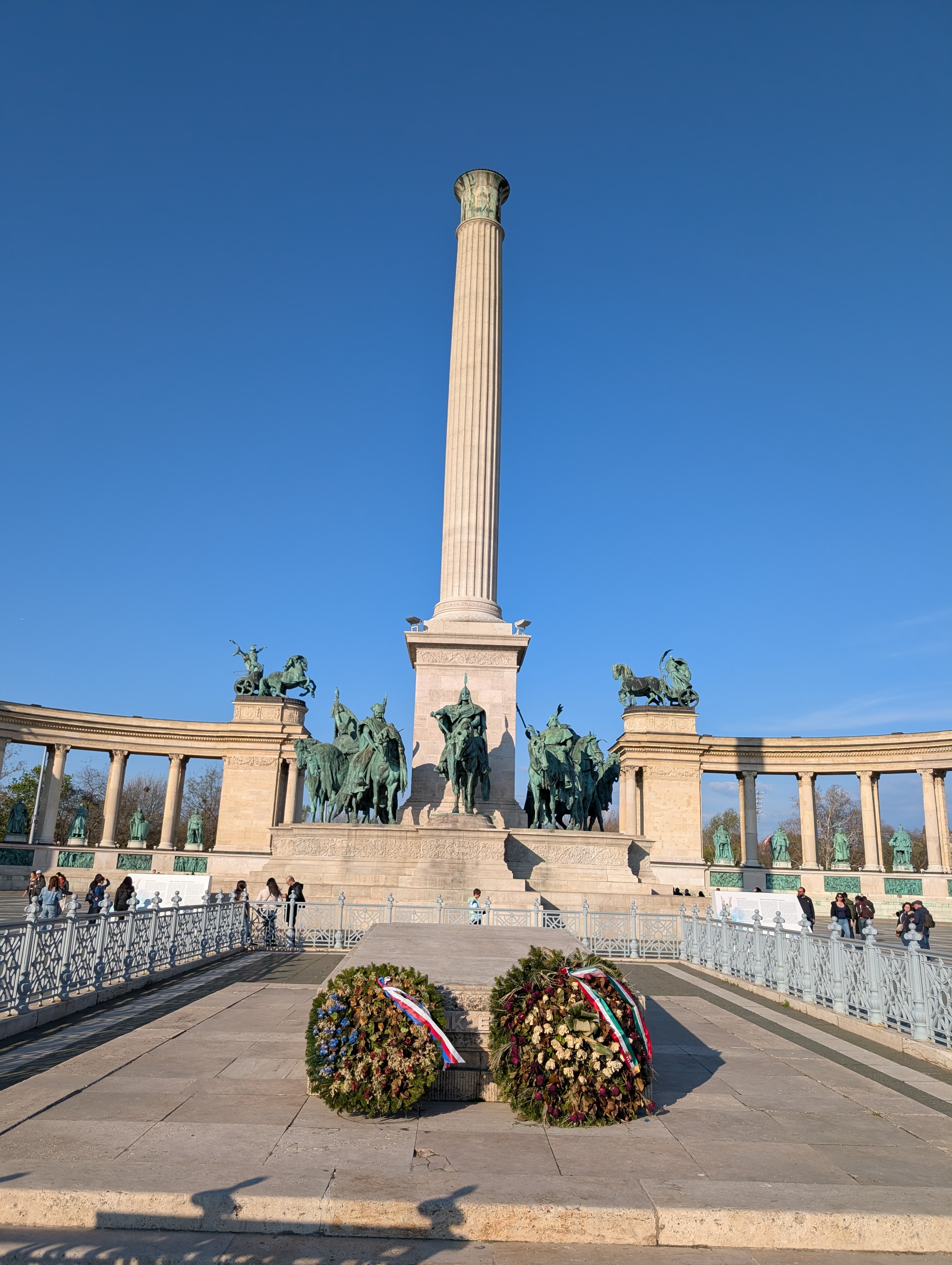
I loosely knew Hungary was a nation of settled-down nomads before coming here, but that reality is underscored in Budapest. Grand monuments stand in honor of mustachioed men in funky helmets, not the regal kings and buttoned-up knights of Western Europe. Some traditional Hungarian music at a festival in a park features a woman banging a leather drum, a man on a sort of bagpipe known as a duda, and a singer who every so often pulls a gun out of his belt and fires blanks over the crowd to punctuate certain lines in the song. Ah, culture.
Hungary sits somewhere on a spectrum between Istanbul’s east-west split and firmly European Vienna, where I will head next. The Magyars, the ancestral Hungarians, rode in from Asia and found a home in the Carpathian Basin in the 800s. Like Poland to the north, their plains have left them torn up by great powers neighbors like the Ottomans and Habsburg Austria; they were periodically invaded by one or the other and eventually became a junior partner in the late-stage Habsburg empire. Hungary has had the misfortune, somewhat of its own volition but most often not, of being on the losing end of both World Wars and the Cold War, losing substantial territory over time. Now it has spent the better part of the past two decades on another distinct path, this one under Prime Minister Viktor Orbán, Europe’s most successful contrarian.
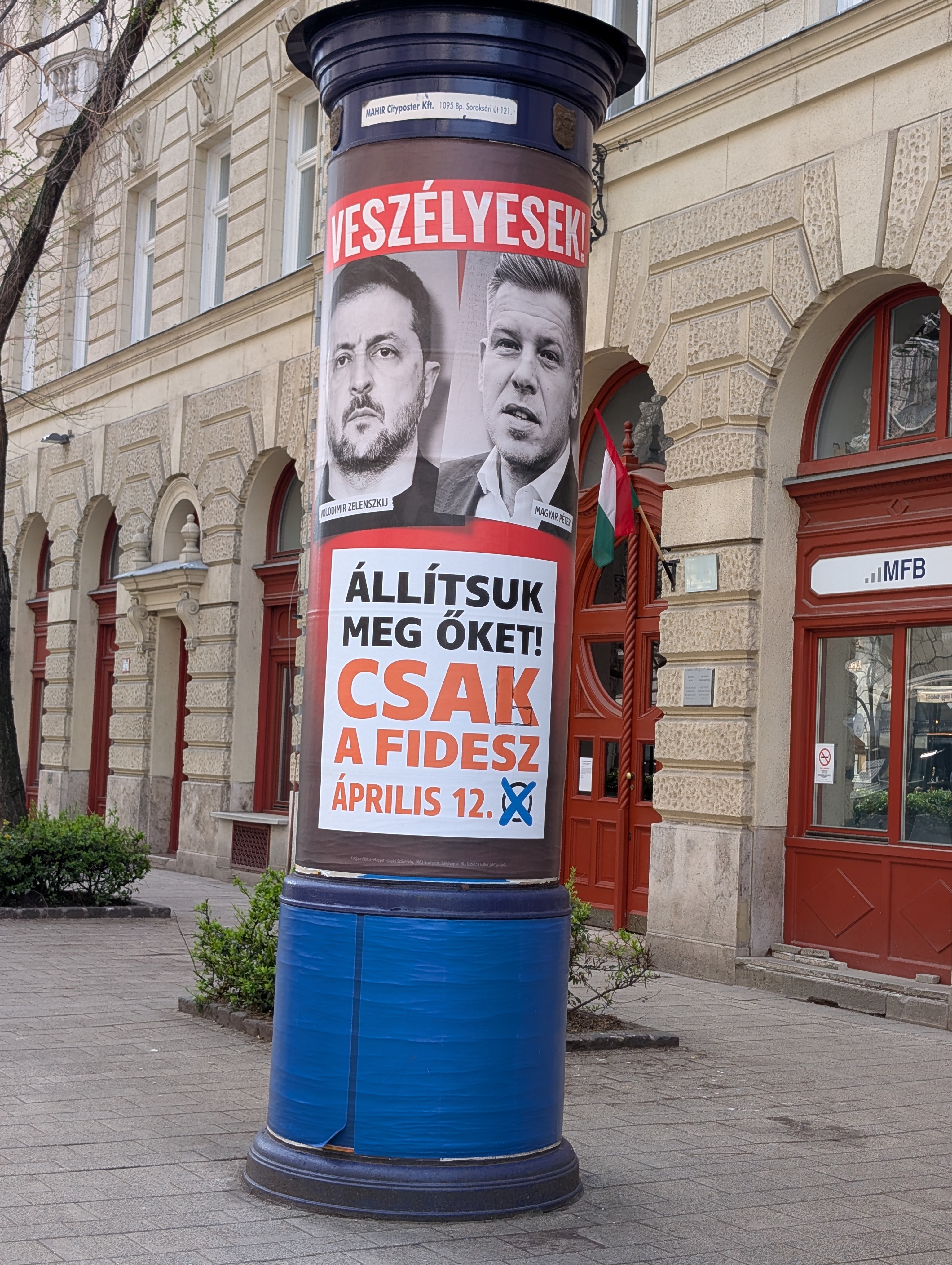
I visit Budapest one week before Orbán’s ouster after 16 years in power. On April 12, a disaffected ex-member of Hungary’s ruling Fidesz party, Péter Magyar, led his upstart Tisza party to a dominant victory. I will not pretend my 40 hours in Budapest gave me any great insight into the election; I was merely a witness to lot of attempts by Fidesz to tie Magyar to Volodymir Zelensky and Ukraine, while Magyar ran hard against corruption and kleptocracy. (The Two-Tailed Dog Party, meanwhile, promised free beer for everyone.) What I glimpsed, however, looked like the run-up to an election in any Western country, not a worrisome civilizational struggle against an authoritarian, and while I understand the story is more complicated in some corners of Hungarian society, I also suspect that mundane reality shows where Hungary’s future lies.
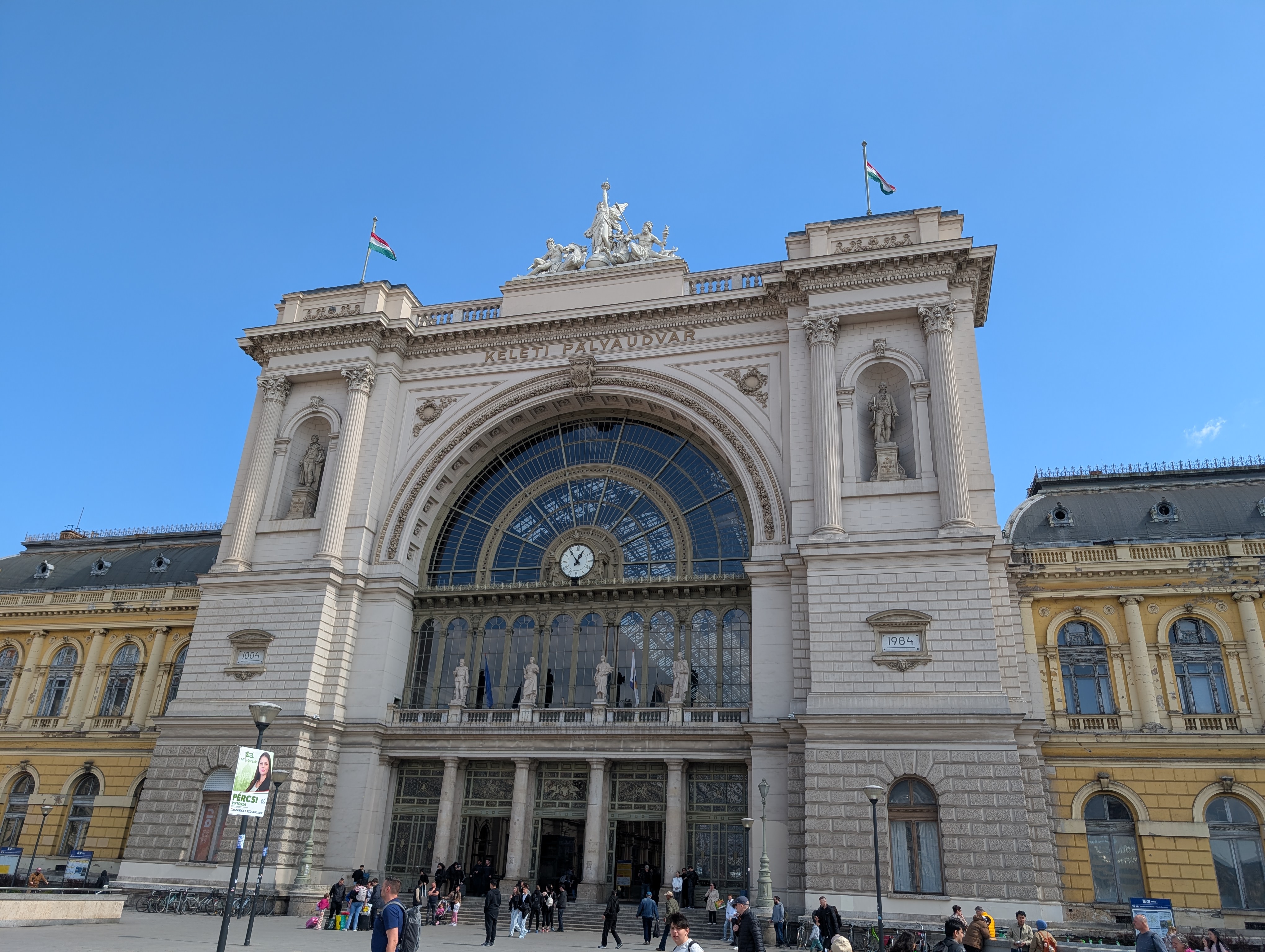
In the end, Orbán’s defeat likely has less to do with ideology and more to do with the rot that comes with ideologues staying in power too long. It is far too early to see if Magyar can sustain his broad anti-Orbán coalition, if it can deliver on its promises to revive a slumbering economy crack the endemic Fidesz corruption. But his victory puts a crack in the Nationalist International that had set up shop in Hungary in recent years and edges his nation back toward the idea of a unified Europe. That European vision has obvious limitations, but when the alternatives lead toward climbing in bed with the Russians or some of the weirder radicals floating around on the global right who wanted to use little, homogenous Hungary as a laboratory for changes they sought to impose on Europe’s larger powers or, even more bizarrely, a multiethnic empire like the United States, Europe starts to look alright. Today’s Hungarians ask the same question posed by Cold War era Berliners: does the world look better to the west, or to the east? For a country stuck in a civilizational struggle it did not choose, where does the brighter future look: in league with Vladimir Putin and his oligarchs, or amid the bland, process-driving European bureaucracy that, for all its flattening influence, aspires to something resembling equal opportunity in life?
For a small country that never owned a colonial empire, Budapest is as monumental a city as one could imagine. The endless efforts to memorialize the past, both distant and recent, gives a sense of how much repair work is necessary to reclaim snippets of old glory, and how much it means to proclaim an identity so often battered from the outside. Within this context, Orbán makes some sense as a historical force. A proud people resists being sucked in the with rest of the European machine, wishing for virility as a small nation. There is a small-C conservatism on display here, a wish to be left alone by the outside to which I am sympathetic, but Hungary’s history suggests it often does not have that luxury. Like Turkey, its soul has some splits to it, but it is not hard to see where its fate lies. Its lot is in with the European experiment, and its new leader is an intriguing figure for trying to bust through the bureaucratic excesses and anomie that can represent the worst of the EU.
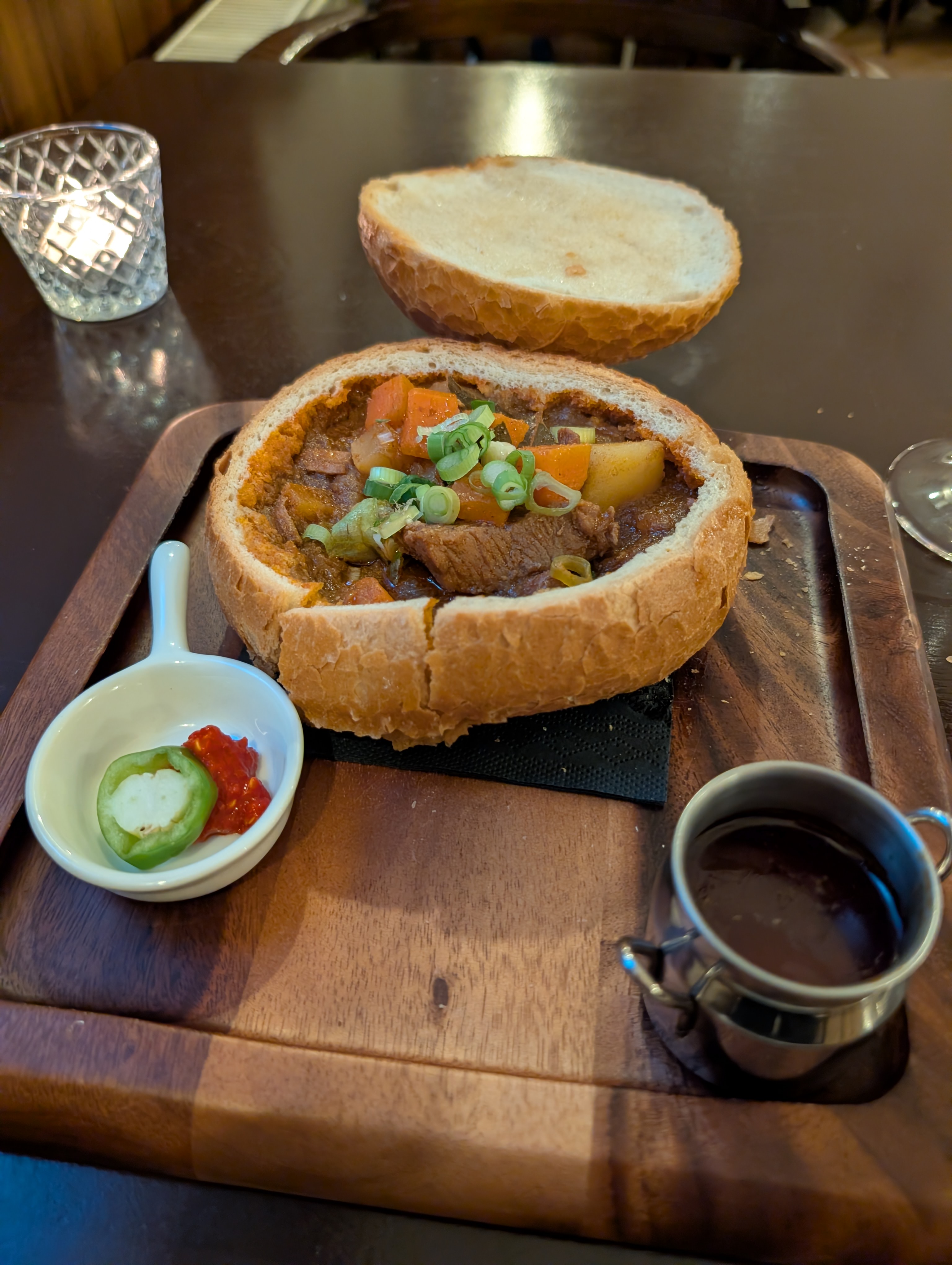
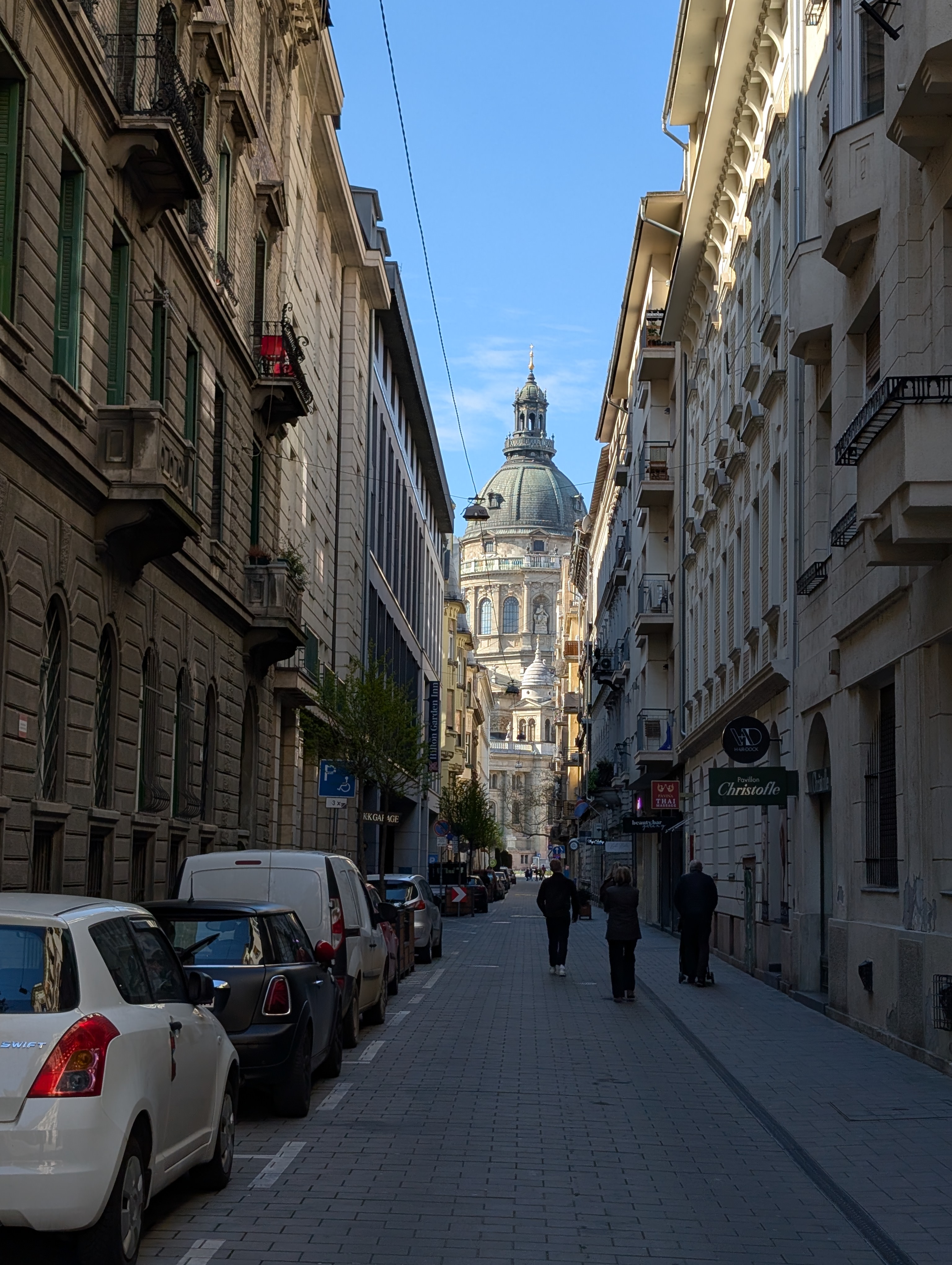
Of the five cities I visit on this trip, Budapest is probably the one I’d be least likely to revisit. But this isn’t because I disliked it at all: there was a lot to enjoy on these charming streets. Goulash, it turns out, is great, as are lángos, which I’d liken to a frybread-based pizza with a sour cream base. The churches and synagogues are appropriately grand, and I sense this country has the ability within it to strike the right balance between the benefits of joining up with a powerful economic union and holding on to the proud (or just plain fun) bits of its own unique self. Show us the way, Hungary, and do it in your own style, part of a broader whole but never losing that distinct touch.
 A Patient Cycle