Island Vignettes

I. Peregrinations

Climb aboard a plane. Shoot over a snow-dusted heartland, over the brain coral of the Appalachian hills and the long, aged spines of its mountains, over the Carolina coastal plain with its tidewater veins and then a long, sun-kissed expanse of ocean spackled by the shadows of clouds. I am off to St. Thomas again, hosted by Uncle Chuck and Aunt Monica at L’Esperance and joined by my mom and her partner and cousin David.
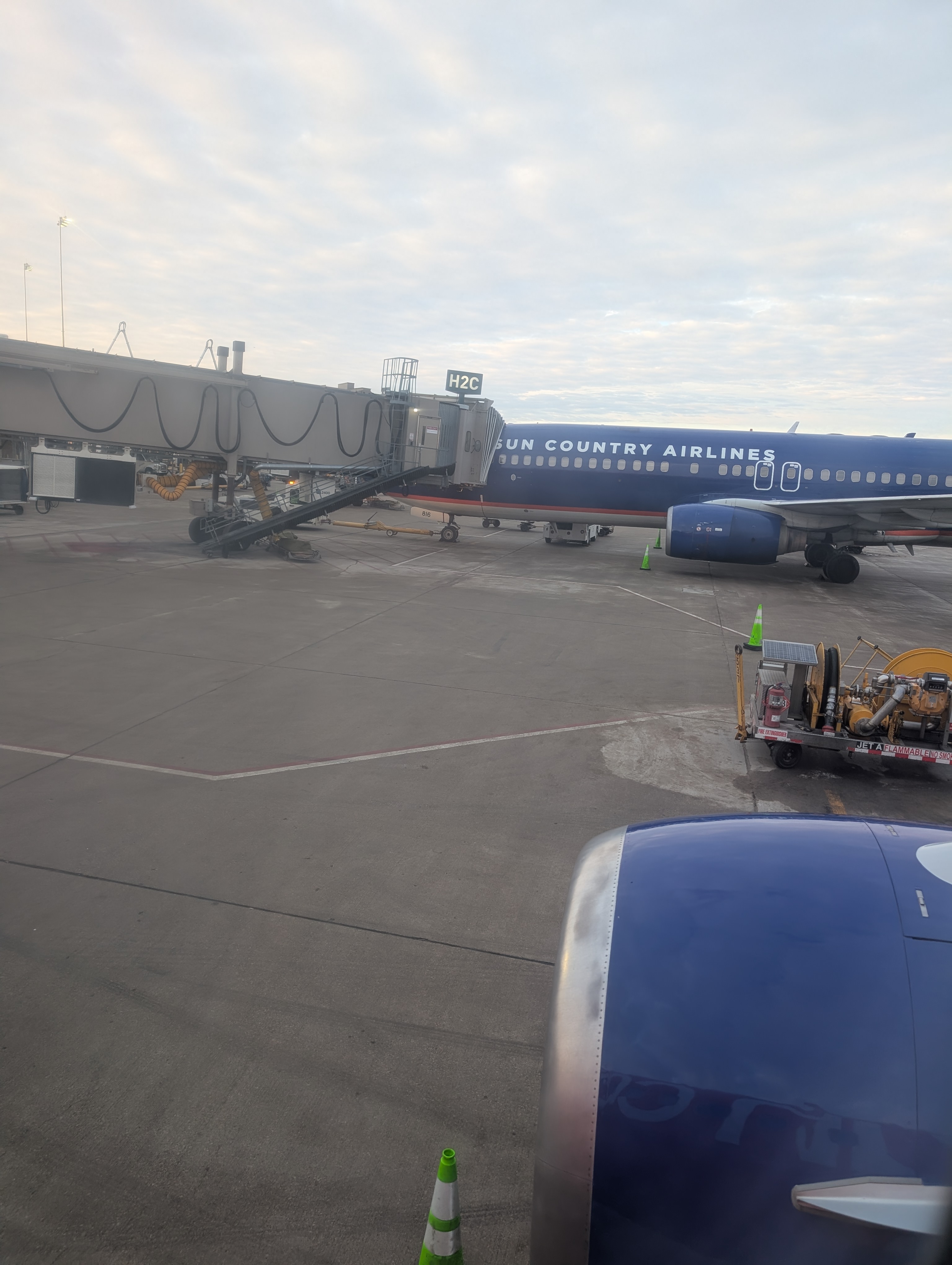
The actuarial tables of travel catch up with me again. Do it enough and things will go wrong, and this time, bad winds for landing cause a diversion to San Juan. Sun Country hotel vouchers are a fiasco and we wind up in a gated ground floor of a spare apartment in the city, a few blocks from a street shut off by police cars and a canine unit. It’s enough to sketch out most travelers.

A few ladies hold a casual party at the apartment next door, and it pulls at something deep within. I am eleven years old at a compound in Cuernavaca, Mexico, where a group of Minnesota college students study abroad and I am in the room next to the kitchen where I wake every morning to that same pitter-patter of Spanish chatter and laughter, those clattering dishes, those nourishing smells of baking food. Later, as a college student myself, I stumble down cobbled Mexican streets with an eclectic crew of kids from around the world, in search of a hostel and hear those same giggles, that same gentle teasing; later again they are reborn along the narrow lanes of an old Spanish city core. This easy soundtrack echoes through memory, puts me at peace. I am in good hands, perhaps only ever truly content as an object in motion.

II. Big Boats

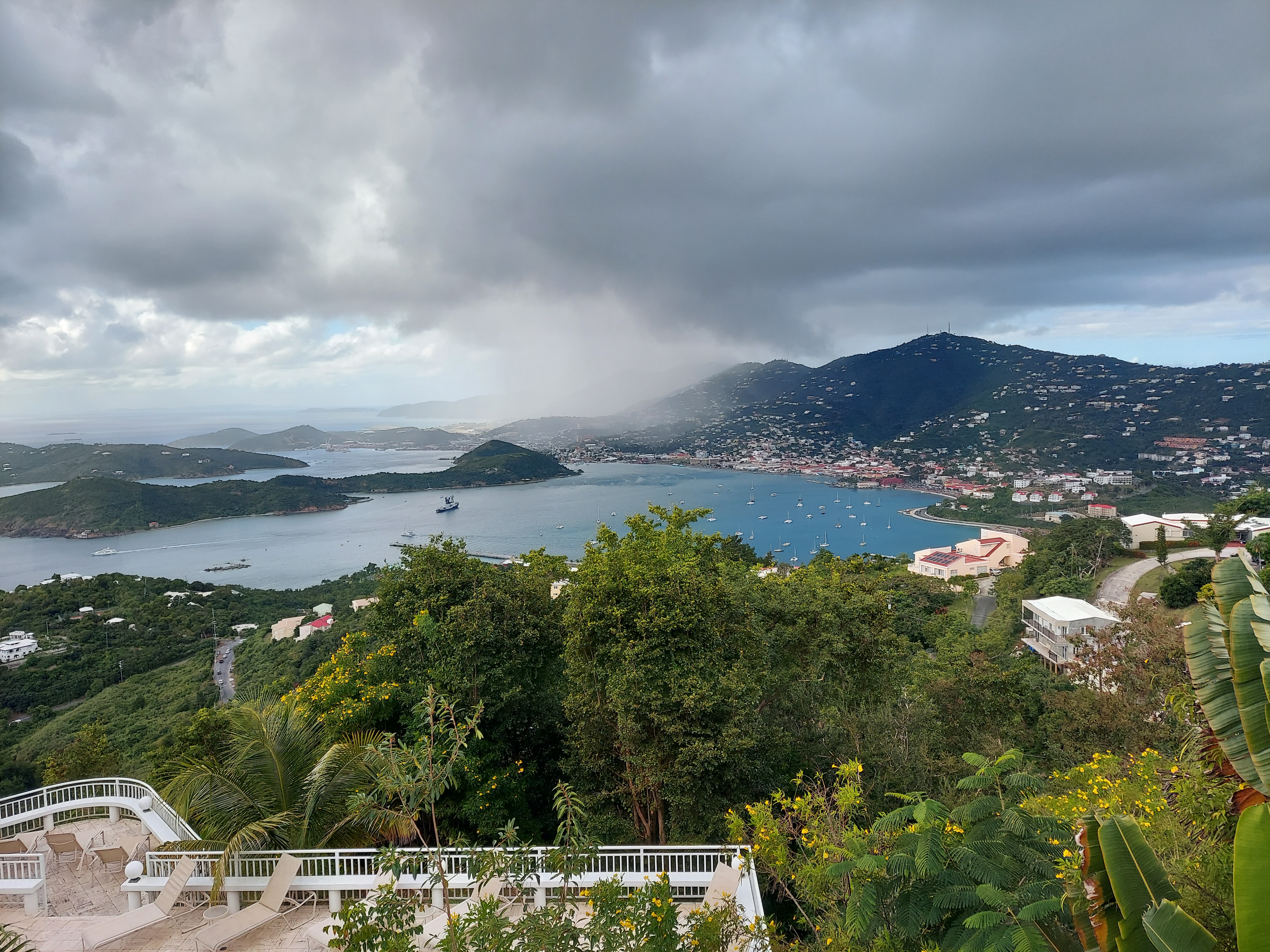
From a perch at L’Esperance above the harbor, we watch the traffic come and go. Somewhere between one and five cruise ships visit Charlotte Amalie every day. They have grown in size over the years, disgorging ever more tourists, the islands left in a strange lurch of activity that settles down each evening. The long-term visitors go out for dinner and the locals party the night away. The carnivals of leisure cycle through, less the fresh joy of discovery in a European port of call and more of a drift through bars and shops that could, with some choice exceptions, be anywhere. Paradise, Incorporated.
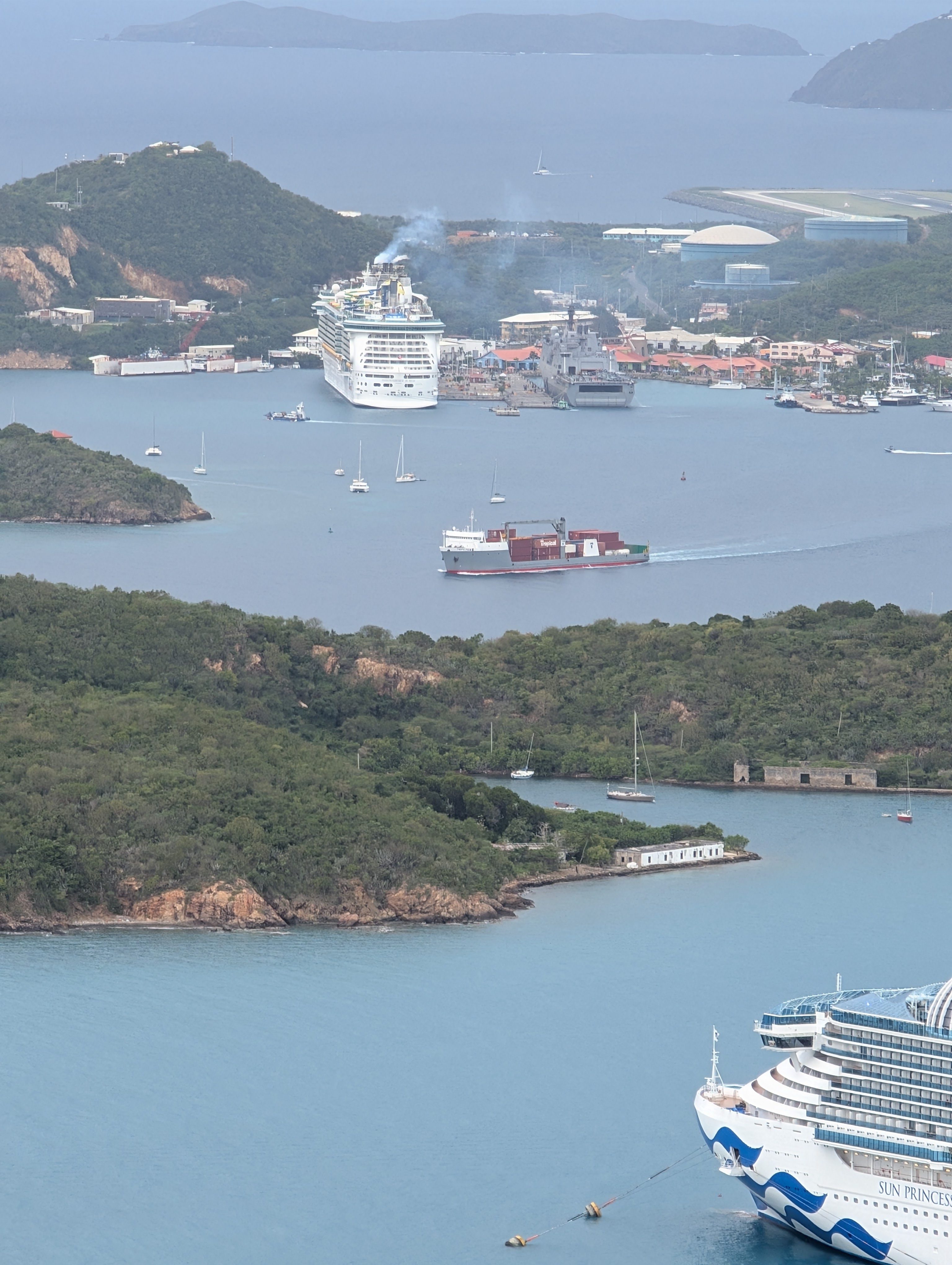
On the Thursday of my week on St. Thomas, the USS Stockdale powers into port. This AEGIS destroyer has spent recent years guarding commerce on the Red Sea from Houthi rebels, though it recently joined the Caribbean buildup that accompanied the ouster of Venezuelan despot Nicolás Maduro. It sits in Crown Bay next to Royal Caribbean’s Independence of the Seas, dwarfed by the pleasure cruise craft. The twin faces of empire, a reminder of the force that makes possible the leisure on St. Thomas, and the reason the U.S. collected these islands from the Danish during World War I. That treaty forsook an American claim to Greenland, and while I cannot comment on the relative value of any rare earth metals, I will say the beaches that treaty brought beneath the stars and stripes are much better than the alternative down the road not taken.

III. Billionaires

Laurance Rockefeller purchased most of St. John, the third-largest of the Virgins, in 1952. He later donated nearly all of his holdings for the creation of Virgin Islands National Park, and he developed a hotel on Caneel Bay on land leased from the National Park Service. The Caneel Bay Resort was a world-class gem design to be one with the coastline, an eco-conscious masterpiece that shunned technology and rightly revolved on one of the most beautiful stretches of sand in the world.

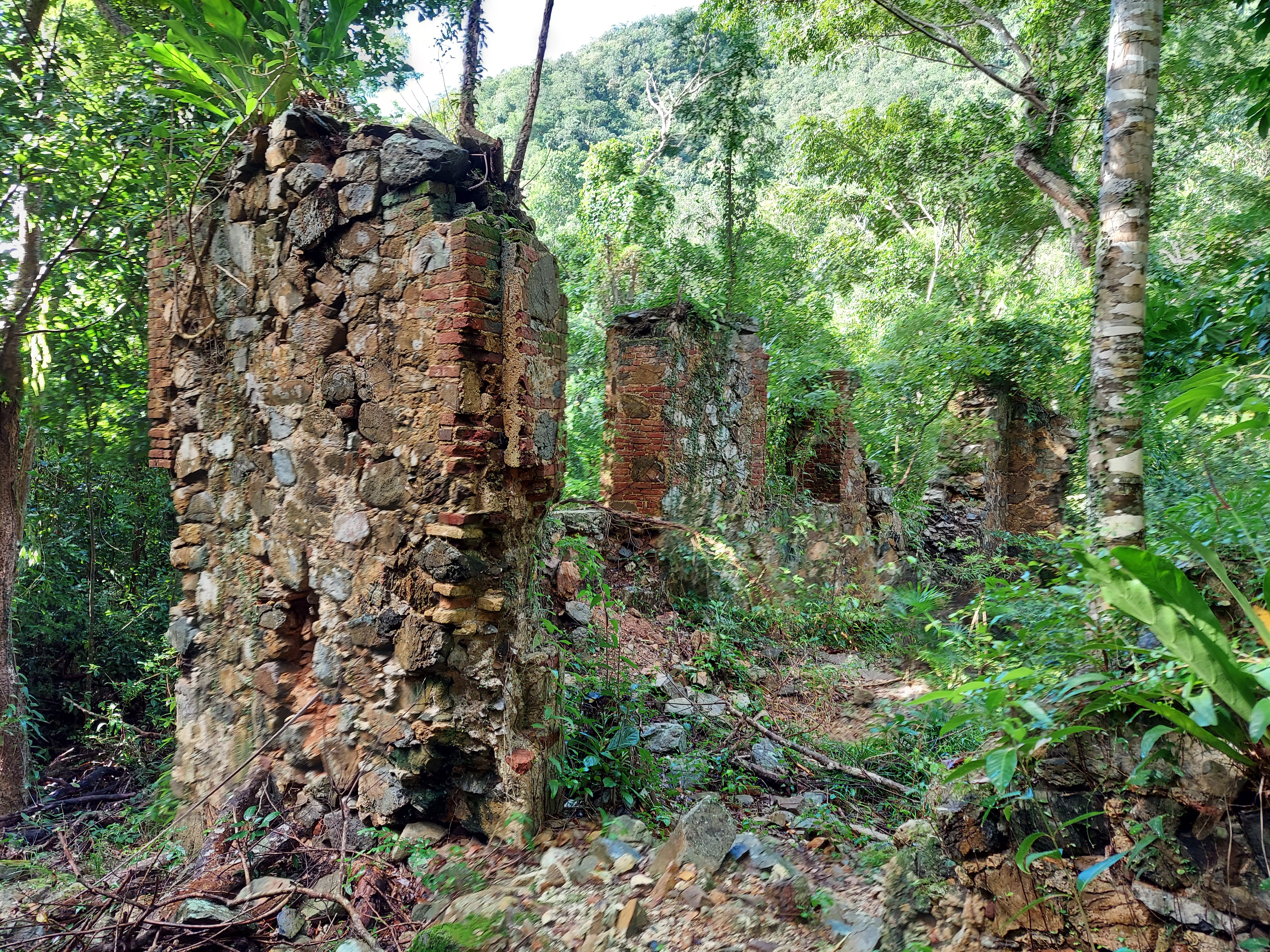
Hurricane Irma demolished the resort in 2017. Ever since it has been trapped in development hell, swiftly swallowed by fast-growing trees and gnarled vines just like St. John’s old slave plantations before. Myriad questions from the NPS lease to cleanup from 60s-era building materials loom over its future.
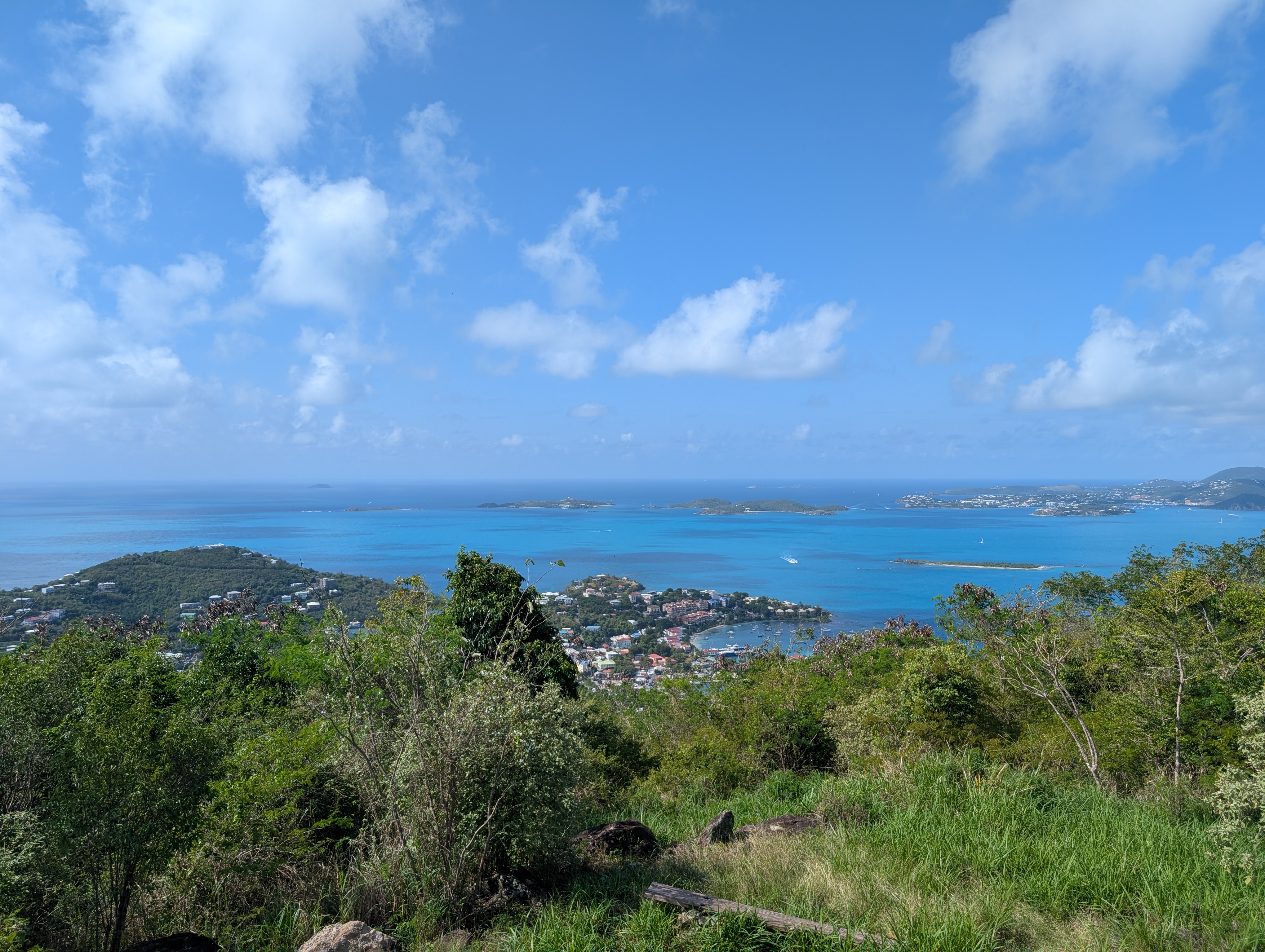
Jeffrey Epstein purchased Little St. James, an islet off Pillsbury Sound between St. Thomas and St. John, in 1998. For over 20 years it was the base of his most lurid operations, a steady procession of gilded elites and underage girls funneled through, his crimes an open secret among the islanders. In 2016, he added Great St. James to his collection.

Since Epstein’s death and disgrace, another billionaire, Stephen Deckoff, has purchased the islands from Epstein’s estate for $60 million. A proposed luxury hotel is trapped in development hell, unable to get off the ground despite its backer’s resources.

Some of the Virgin Islands’ billionaires aspire to preserve a natural and human heritage for posterity; some use its covers to hide the greatest depravities they can engineer. Others, like Deckoff, just try to profit from it, a money man doing what a money man does. But in the end, it seems the islands always win.

IV. Rituals

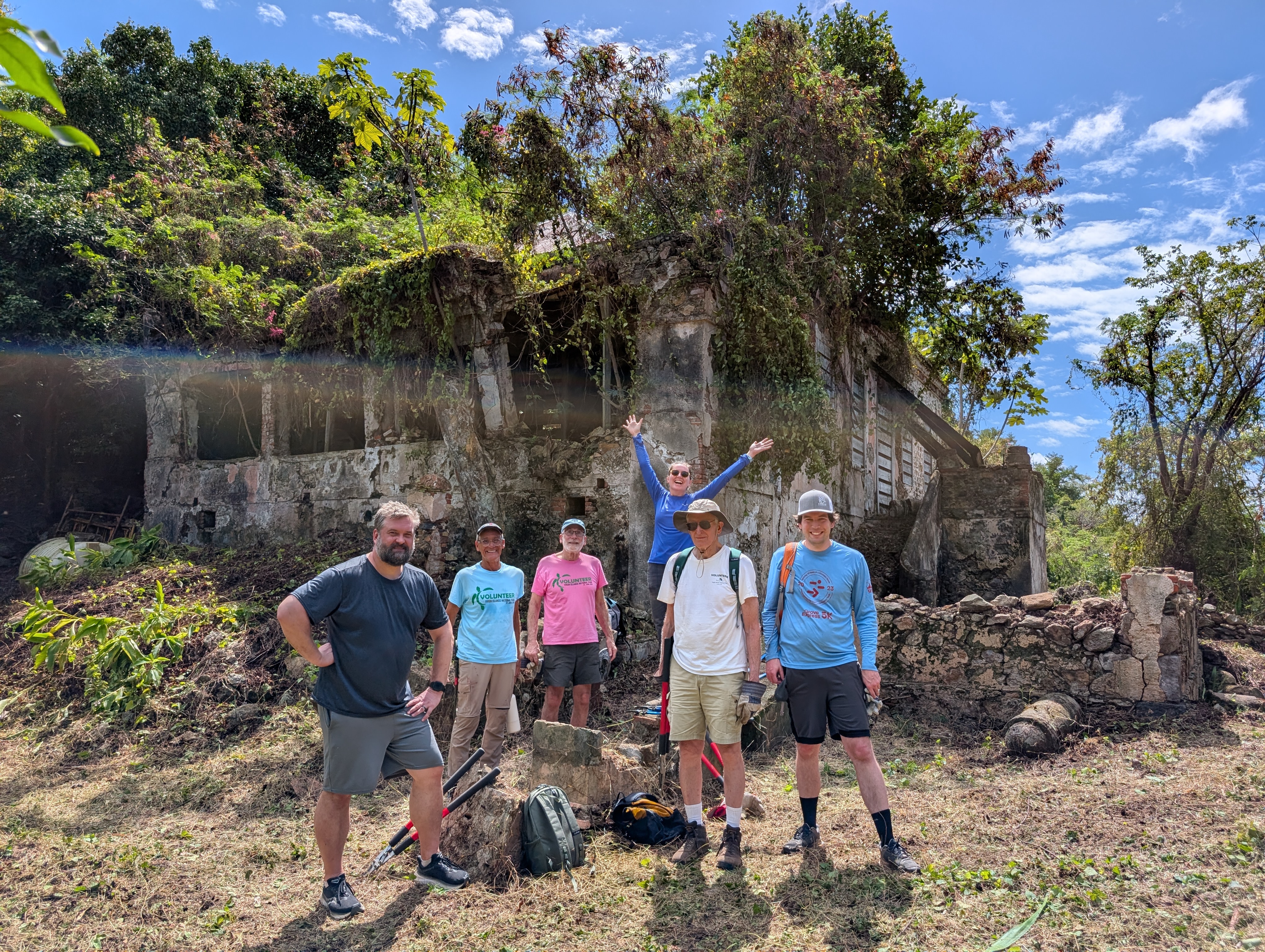
We enter the battle with the islands for a day of brush clearing on St. John, as we always do on Tuesdays here. Uncle Chuck is in his element with the Friends of the National Park, chatting botany and pointing out the monkey-no-climb he told fellow volunteers to spare several years back that has now shot up and become a healthy tree.

On this day we clear out the Reef Bay Great House, a sugar plantation relic now enveloped by a scourge known variously as coral vine and Mexican creeper. We hack back the jungle and restore some of its complex grandeur. Such as we can: a lintel along the portico now dangles in the breeze, its threat to pull down one side of the façade held only by a single strand of rebar. There is little chance of any stabilization from NPS, and a tragic fate for the Great House’s tragic legacy. But for now there is an easy satisfaction in passing on this privilege I enjoy, to cut out windows on to memory and beauty in a place where people come for joy and escape.

Later in the week, David and I return to St. John. We hike around Lind Point and up Caneel Hill, achieve commanding views of Cruz Bay and a descent to the ruins of Caneel and a splash into the ocean at Salomon Beach, a slice of white sand accessible only by trail or boat. Along the whole way the trail shows the fruits of the volunteer labor. A few cuts from catch-and-keep are a small price to pay, a little blood left to feed that lifeblood.
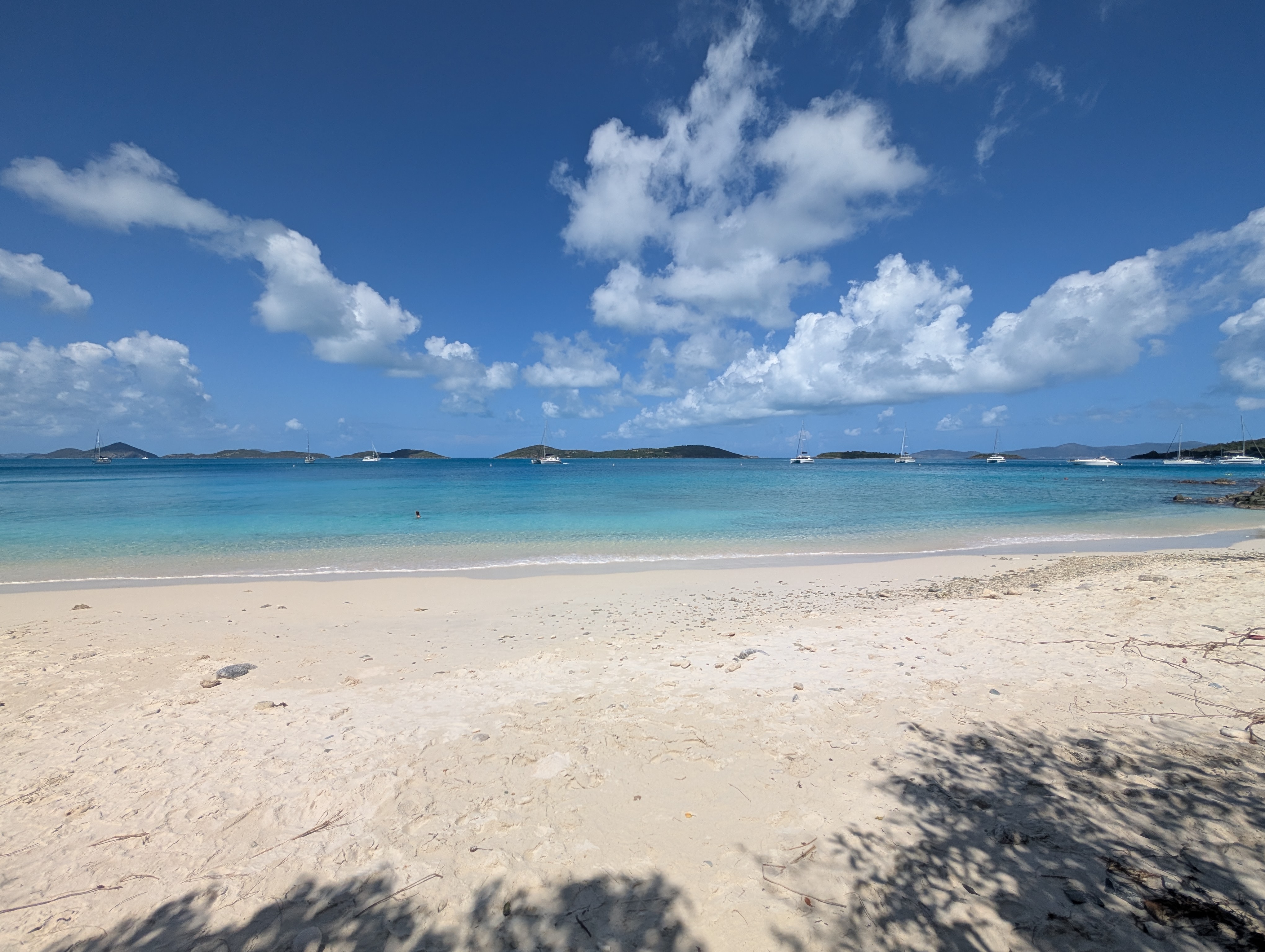
The other routines are less taxing: open up the villa, let in the breeze, wake to the sun’s long fingers creeping over the hill and in through the glass door to the balcony. Lay in sand and play in waves: Lindquist Bay, Hull Bay, a stroll down the streets of Charlotte Amalie. Make the circuit through the bars, order a Booty Call and get lei’d at Duffy’s, meet the same Minnesota waitress at two establishments, encounter the Islands’ finest purveyor of hose.

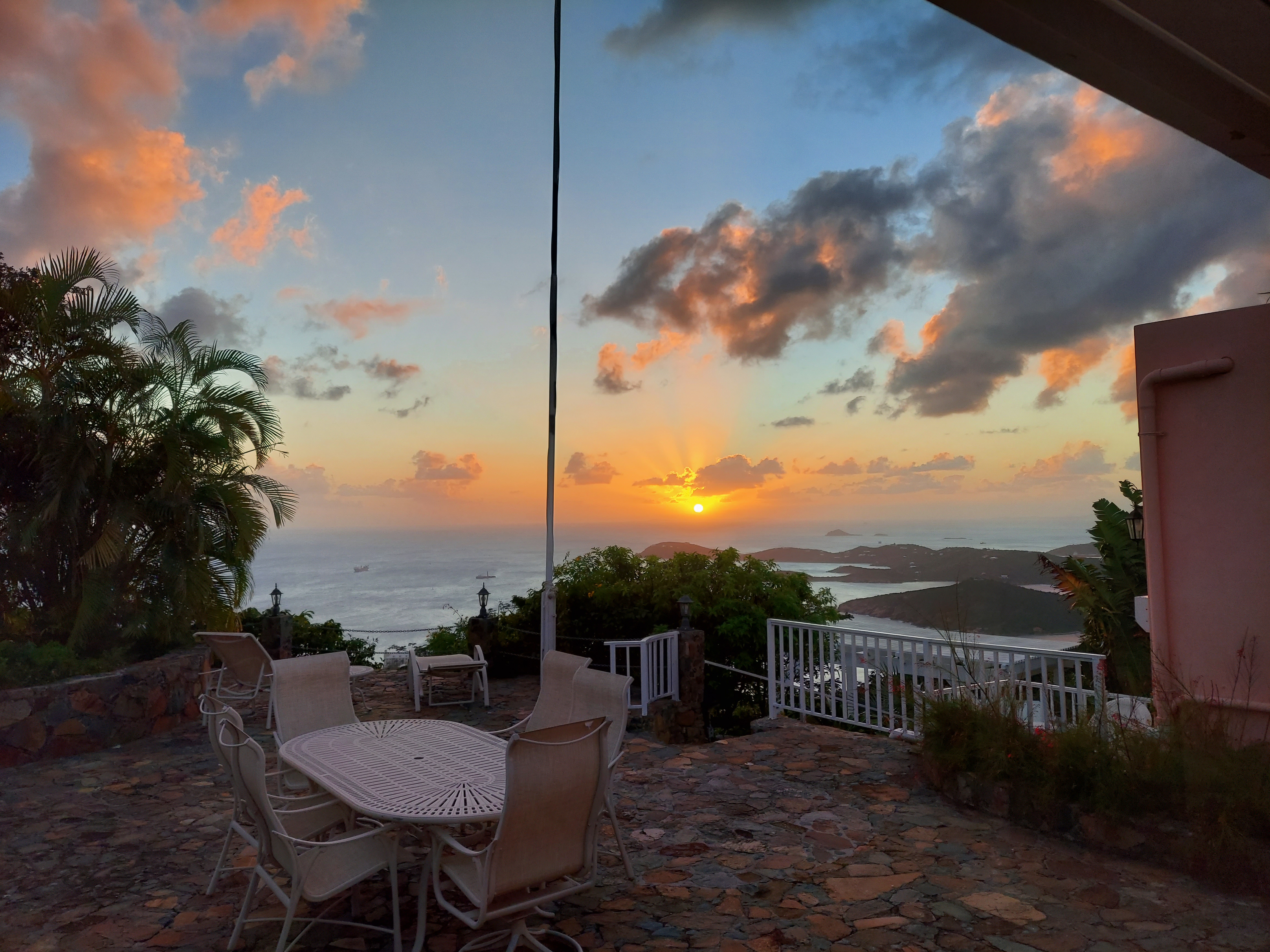
After long days on St. John we return to L’Esperance, where happy hour is a sacred rite. The sun plunges to the horizon and bathes Charlotte Amalie in a hazy sheen. The bell dings, the bottles pop open, ice tipped into glasses and drinks mixed. We set aside our books and our phones and hold forth: the day’s details, adventures past and future, the vagaries of island life. That happy hour bell is a call to drink, but it also breaks down that retreat into self, separates spaces for quiet and for community, both necessary in a well-rounded life. Pour me another, please, and again find that ease.

V. Inflection Points

My last time in the Virgin Islands my work life was in the process of blowing up as a regime change reoriented how things could be done. The previous time was deep in a pandemic. This time there are fewer lingering worries, easier roads to bliss.

It is thus to my great annoyance that I find myself facing writer’s block on the Hull Bay beach. I should be basking and letting my pen flow and yet the block nags, irks, makes one wonder if this is maybe too perfect or if I am just too easily knocked off my game. Things should flow naturally but they do not. I cannot absorb what the beach offers, assume that oneness that comes with the territory here. Distractions too easy, desires too fierce? Paralysis in the face of challenge? Nah. I just have to remember what the islands have already taught me.

I think back to my pandemic era escape here. I recognize now that it was a line in the canyon for me, a moment in which, when isolation anomie threatened to grind me down, I chose not to let it and instead struck outward. That journey put me on path toward being the world wanderer I long wanted to be, began infusing within me the self-assurance I always wished to have. In recent years I have looked at times for other lines in the canyon—a work life shift here, a memorable trip there; even that ultimate canyon line, a long-term relationship—and realized that all of those things, while attainable, are found somewhere along this rugged, sweaty, hunger-fueling hike on St. John. I embody the pursuit. Follow the path and the rest will come.
On that trip I read Khalil Gibran’s The Prophet. For reasons unclear to me I had previously thought I was not ready to read it. (These deep intuitions, I have learned, are things I should trust: even if they do not work out, I do not regret them, and they have delivered for me more than ever in the past year.) By that trip, I was indeed ready.

True it is I have climbed great hills and walked in remote places.

How could I have seen you save from a great height or great distance?

How can one be indeed near unless he be far?

At the end of The Prophet the poem’s namesake sails on from the city where he preached, on to the next adventure. I pick up a book on Byzantium and get ready for my next journey, too.

USVI II: Beached

Part One is here.

The pandemic may drain people away from the crowded shopping streets of Caribbean islands, but life prostrate on a towel has the same allure it always does. Here we are free to get sand all over ourselves and glug mouthfuls of saltwater, to sweat unnecessarily and court the inevitable sunburn. This is, of course, the point. During my two weeks on St. Thomas, I sample beaches both old and new to me in my ventures outward, plus add two days of hiking on neighboring St. John. Each venture ends with a seat in the sand or a swim in the sea, a beached state of bliss that kills worries nearly as well as the rum.

On one of my first free days on the island I head to the far west end of St. Thomas. Here, the arching island tumbles down to a gated community kind enough to allow the unwashed masses to sign in at the guard hut. From there, it’s a little over a mile by foot down the road past some obscenely large houses to the westernmost point on the island. Its name is the Mermaid’s Chair, and while I never quite figure out if I should be looking for seated mermaids on the spit of land that gets covered at high tide or beneath the lone palm tree on the little isle connected by the spit or on the rocks where waves crash beyond it, the place provides a serene respite. The sunset here is sublime, and the waves crash harder than anywhere else on St. Thomas. It’s not really a beach in the traditional sense, but I find some shade behind a rock and wade into a small inlet and along through the surf, alone here at the seeming end of the earth.

My second St. Thomas beach may not be a pristine beauty, but it has the best vibe of the ones I’ve sampled. Hull Bay on the island’s north shore sits somewhere between the solitude of a St. John beach and the built-up resort offerings. If the beachside bar hadn’t been sadly shut down, it would have taken me back to Puerto Escondido. When I arrive late morning, the only occupants seem to be locals. I chat with a commercial fisherman who is measuring out his kite and learn the basics of fishing these waters. Two men with metal detectors make their way up and down the beach, while a child associated with them digs a hole to Tibet in the sand. I join two middle-aged surf bums in incredulous gawking as a pristine-looking yacht tender plows straight into the beach so it can disgorge a few picnickers. Nonplussed, its pilot and an assistant work their way off the sand with some haphazard pushing and rocking, and in time head out on their merry way. “The year is only ten hours old and we have a contender for dumbass of the year,” says one of the surf bums.

Hull Bay has a reputation as a surfing beach, though only two people venture out while I’m there. The first is a teenage boy who looks every bit the surf star with a shock of sun-bleached curls, but after a few tentative steps into the breakers he settles for swimming out into the calmest part of the bay and riding his board back in on his chest before calling it quits. The second is a greying stand-up paddleboarder who stays out on the larger swells for at least two hours, bobbing away on the horizon. Score one for those of us advancing in age. The fisherman says I look like a surfer; in a different life, perhaps, I muse.

There isn’t much in the way of surfing on Magens Bay, the giant bite out of the north side of St. Thomas and its most famous beach. It’s a busy one, but large enough that people can strew themselves out along its length and splash around in the gentle turquoise waters. I traipse from one end to the other and admire the bodies on display, skimpy bikinis and pretty boy swag, plus some things that people would be better off putting away. It’s been too long since I last sampled humanity in this way. That night in bed, I feel the rocking sensation of the bay’s waves carrying me off to sleep.

Secret Harbor, which protects its secrets with about 40 speed bumps and a parking lot unnecessarily atop a hill nowhere near the beach, is an intimate stretch of sand, the sort that would be great with a group but leaves me feeling exposed when there alone. Snorkelers work their way out to its convenient reef, and the blasé servers at the seaside restaurant eventually get around to feeding me. I vaguely regret heading here on my final full day instead of ponying up for the ferry to neighboring St. John for a third time, but a little unfulfilled desire can’t hurt. I’ll be back for Maho Bay some other day.

A second stop that day, Smith Bay, restores me to my beach equilibrium. Sure, my newly developed beach snobbery leads me to conclude it’s nothing special. But there is plenty of shade, and both local and tourist families splash about in its waters and snorkel out to its buoys. Sailboats work their way back and forth into the bay, and I wrap up a book in peace and solitude. It’s a fitting final destination, though not this trip’s apex. On the drive back, I cast one last look of longing toward the island where dreams and reality blurred on this trip.

That place would be St. John, a sparsely populated isle half an hour to the east of St. Thomas by ferry. The city of Cruz Bay, its main gateway for ferry traffic from St. Thomas, is a couple of clusters of shops near the docks, and then a series of villas clinging to the hills up above it. Beyond that, the majority of the land is devoted to the Virgin Islands National Park, and after I escape the ferry traffic, I head straight for the hills.

St. John’s roads are even more painfully tortured than those of St. Thomas; I’m not sure whether to admire the engineers for their accomplishments or recommend them to the asylum. Being a driver on St. John deprives one of some marvelous scenery, since one’s eyes are always fixed on the next hairpin turn and leerily checking that tailgating garbage truck in the rear view mirror. Additional obstacles include a leisurely herd of goats, a monstrous feral pig, and some burros who look miffed when a car traveling the opposite direction gets too close. The pace of life on St. John is a world apart.

The Reef Bay Trail is one of the island’s best-known hikes, and it plunges some 900 feet from Centerline Road along the spine of the island to its namesake bay on the south shore. Ruins line the route: pull back the jungle on St. John and you find a less serene part of the Virgin Islands’ history than its pastel buildings and its cobblestone streets. Like most of the Caribbean, they were once a hub of the slave trade, and the ruins of its sprawling estates litter the landscape: a crumbling wall here, an old storehouse there, a cluster of old homes back in the thicket. Right before the Reef Bay beach is an old sugar factory, whose owners kept it going on steam power after abolition. And for truly deep roots, a side trail leads to a trickling waterfall and a pair of pools beneath some petroglyphs from the pre-Columbian Taino, who drew themselves a cartoon squid his crustacean friends. On the way back up I see how fast I can move in tropical heat, my sweatiness unnerving some not-particularly-fit hikers I meet near the top of the ridge.

On the far southeast end of St. John, a crowded trailhead leads down to the Salt Pond Beach, an idyllic, calm cove that hosts a small armada of snorkelers. I join a family who has sailed here from Georgia for a few false starts further down the beach as we seek out the Ram’s Head Trail, which climbs over to a rocky beach before ascending a bluff that juts out into the sea and gives 360-degree views. There’s little shade, and when I get back to Salt Pond Beach, I am content to lounge in the shade away from the water’s edge, a second sweaty journey of the day complete. Yes, I think, St. John is worth the hype.

St. John’s greatest gems may be on its north shore, the white sand beaches of Hawksnest, Caneel Bay, Trunk Bay, Cinnamon Bay, and Maho Bay. The road here is stupidly pretty; the second-best North Shore on earth, I crack to friends back on another one now covered in snow. My birthday destination, however, is the end of the road at Annaberg, where the ruins of St. John’s largest plantation sit in repose over Leinster Bay. I follow a trail along the beach for a bit over a mile and briefly thrash around the ruins at the base of the hill where the trail turns away from the famed snorkeling spot of Waterlemon Bay. I first found this trail when volunteering with the Friends of the Virgin Islands National Park, on an outing for which we chopped out some of the brush along the trail and the ruins here; now, the jungle is encroaching again. Sufficiently scratched up by the undergrowth, I switch up to the ruined foundations of the Windy Hill House, the estate that once lorded over this whole expanse.

From there, I set out on a loop that takes me over the ridge from the north shore to the large southeastern bite out of St. John named Coral Bay. I follow the Brown Bay Trail further along the shore to another small beach a bit over a mile beyond. I have this one to myself, and tuck in beneath its encroaching undergrowth for a few minutes of shade. I only see one person on this entire trail, a relentless trail runner with whom I share a sweaty grin as we crest the hill with views both north and south. A few more ruins lie off the side near the end of the trail, which dumps me out on a road that runs along the East End peninsula. From there, it’s another mile along pavement through the hamlet of Zootenvaal, the easternmost reach of the United States.

I come to crossroads of Coral Bay, a collection of houses up on the hill and rundown shacks along the road, placid in the midday heat. I’d hoped to stop for a snack and to down some water next to its historic Moravian church, but the burros have occupied the spot beneath the one shady tree. Resigned, I turn and march 500 feet directly up a relentless grade; this is allegedly a road, but I’m not sure any vehicle could survive this thing. Naturally, the sun comes back out for its most intense burst of heat of the day while I’m slogging up. I crest the hill and saunter down the Johnny Horn Trail, which carries me back to the Windy Hill Great House.

I stop for lunch on a shaded set of steps on the ruins of the estate. The old house’s perch may be unbeatable: Leinster Bay and its sailboats to the left, Tortola of the British Virgin Islands across the Sir Francis Drake Passage to the right, shapely Great Thatch and quaint Little Thatch in front, and beyond it, Jost Van Dyke. The ruins are shrouded in pink flowers (which are, alas, an invasive Mexican creeper), its past lives as an overlord of slaves and a boarding house and a reform school now taken back by the wilds of St. John. A light rain pushes through, and I welcome the cleansing shower. I snack away, sip at a flask of rum, jot down a few notes, and attain something resembling nirvana.

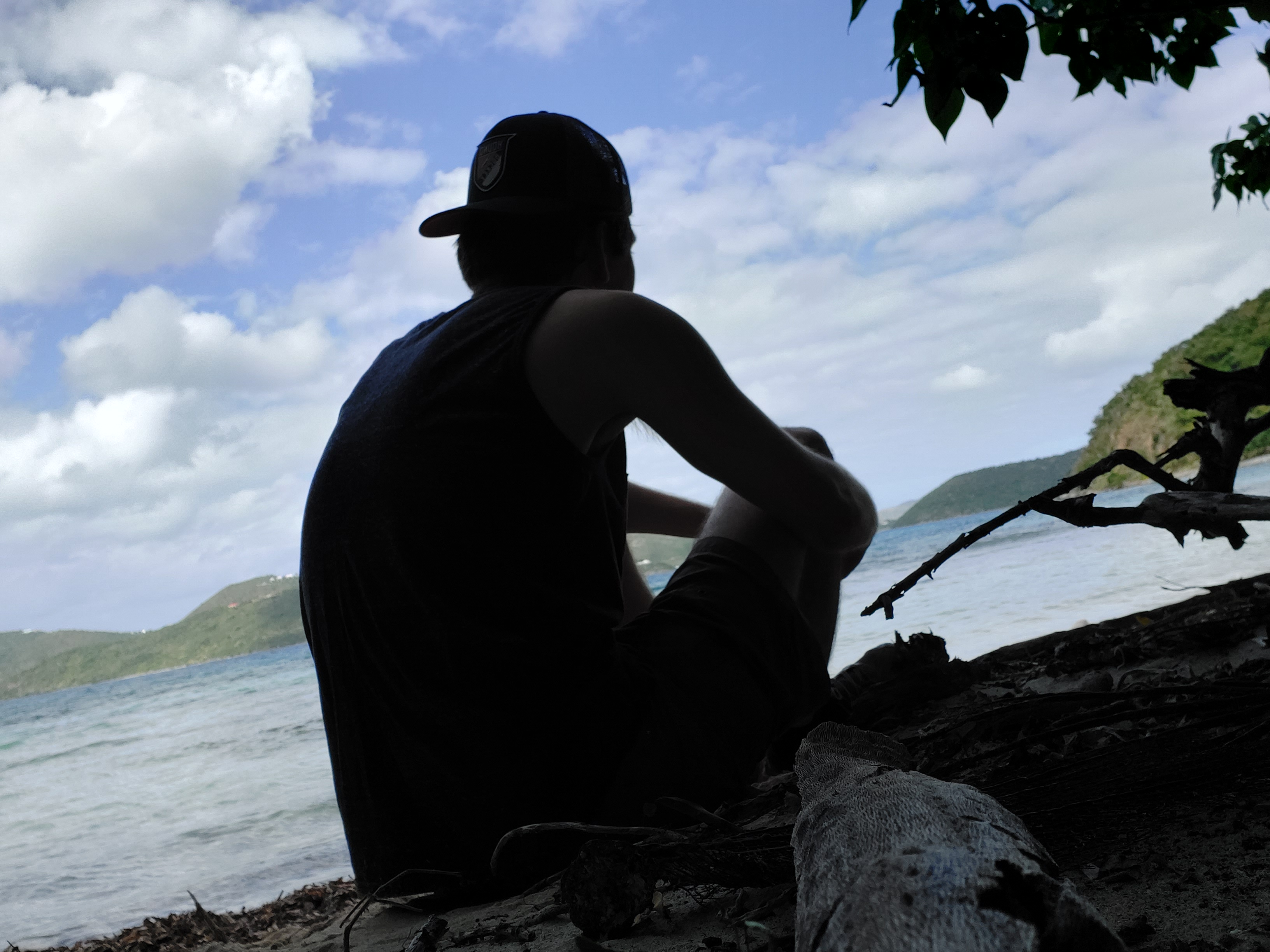
At the bottom of the hill, I strip off my sweat-caked shirt and wade into the bay. I edge out gingerly, leery of urchins, and then strike out to a depth where I can float and tread water in peace. A few fish flit past my ankles, and I peer into the depths in this snorkeling haven as well as I can without goggles. A few motorboats come and go. The sun drifts in and out from behind the clouds. Hikers process up and down the beach in no real rush. I wonder just how long I can tread water, even though I know I must move on.

When a large family occupies the beach directly next to my bag, I decide it’s time to leave Leinster Bay behind. I do so with great reluctance. I stick with flip-flops for the beachfront stroll back to the car, where I change out of my sweaty hiking gear and take a brief spin through the Annaberg plantation. On a previous visit, it was packed, with docents and a little booth where a woman served juice from the plantation’s old kitchen; today, it is just me and a picnicking couple. Last time, I remember standing here, transfixed by a vista through the branches of a tree toward the sea; today, I find that spot again and internalize it as deeply as I can.

I make my way back into Cruz Bay. After a parking odyssey, I find the St. John Brewing Company’s tap room, which is tucked away on an upper level of the labyrinthine Mongoose Junction shopping area. The beer does the job, and I befriend Jim and Kate from Connecticut at the next table, the three of us reveling at the joys of dining in a restaurant and working remotely. How we’ve all missed this spontaneity, this liberation afforded by the most pristine of Virgins.

I take the ferry back at sunset. I’m at once hungry for more and fully satisfied: I could spend weeks on St. John, most likely, but I drank enough from its well on this trip to keep me going for years. How can I miss a place that provides a window unto eternity?

Part 3: Solitude in Paradise

USVI I: Among the Virgins

I am restless, cooped up by a grey Duluth winter and a pandemic that has stolen away my primary winter diversion. My days are inane circuits between my bedroom and my home office and my kitchen. I idly search for direct flights from Minneapolis, lusting for some affordable escape. To my surprise, Delta has just launched a new service to St. Thomas in the U.S. Virgin Islands. Here, I think, is a real option, and in a year that has snuffed out spontaneity, I decide to end with a burst of it. A few emails and a negative Covid test later, I make my way to the Virgin Islands for two weeks of sun and remote work.

The Virgin Islands are at the fulcrum of the Caribbean, the point where the Greater Antilles come to an end and swing southward to become the Lesser Antilles, the island chain that dangles down to South America. The British control the eastern islands, while the Danes sold the western collection to the United States in 1917. St. Thomas is the principal island of the bunch, home to the airport and the capital of Charlotte Amalie, which wraps around a large harbor that beckons in visitors in search of a tropical retreat.

The realm has its share of history, from ancient pictographs to exploration age outposts, from slave-filled plantations to a strategic sale to the U.S. during World War I. Charlotte Amalie bears the name of an old Danish queen, its strades and gades still evidence of that nation’s forgotten colonial phase. Blackbeard and Bluebeard had castles—or, at the very least, some stumpy turrets—here, and the city hosts a collection of pretty historic houses of worship. Now, however, most of that history is dead and buried, and this place exists as a great escape where Americans can enjoy the virtues of the Caribbean without sacrificing too many comforts of home. (Until one gets herded into the airport’s cattle pens on one’s departure, at least.) In normal times, as many as five cruise ships drop anchor in Charlotte Amalie, seemingly hundreds of jewelry and trinket shops lined up to greet them. These jagged islands have little flat ground, and not far from the top of the cable car up from the Havensight dock on Flag Hill sits L’Esperance, the villa that hosts me for my stay.

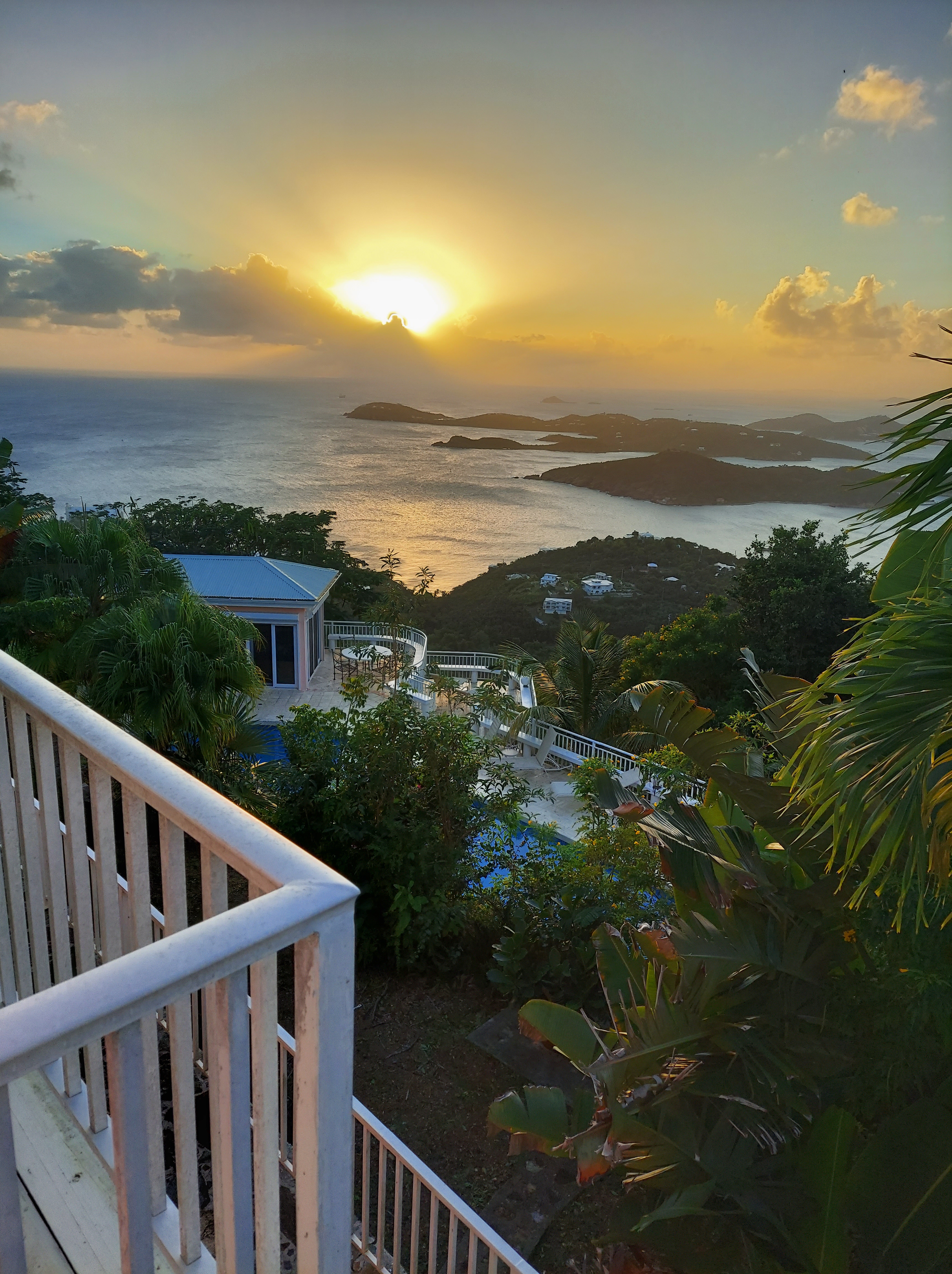
L’Esperance has a commanding perch from which to survey this realm. Its great room and patios provide sweeping views of the harbor to the west, where Charlotte Amalie rises from the waterfront like a red and white-spackled backsplash that fades into green as it works its way up the hill. The main floor bedrooms peek down the east side, giving the property views of the sea in three directions. I open the hurricane shutters and sliding doors to beckon in the sweet trade winds, which ease their way between balconies on either side of the villa through the glassed-in arcade: no conditioned air here. Every evening, the sun plunges to the horizon in the west, lighting up the whole harbor below me; on a rainy morning, rainbows erupt here and there. I could stare at this view for eternity.

My experience of St. Thomas is, of course, exceptional. The island is in a state of development limbo, a paradise found and hardly virginal anymore. The Virgin Islands are the last eastward outpost of the American empire, a colonial leftover that welcomes in thousands of Americans for vacations or second (or third or fifth) homes. Charlotte Amalie may be the only city in the traditional sense, but there are urban clusters around the east end ferry docks at Red Hook and in the built-up inland portions where one finds box stores and more basic necessities than those on offer at the duty-free shops along the wharves. Pothole-riddled roads strewn about the hills like haphazard silly string connect these clusters of homes. Resorts sprawl along the beachfront, while villas cling to the hills in varying levels of precarity, with only the steepest slopes remaining untouched.

Between the waterfront beaches and the hillside villas, a majority-Black, high poverty population clusters in cement apartment blocks or trailer-size homes along highways or tucked in the nooks of the hills. On my first full day, I go out for a spin to get used to left side driving and get momentarily lost in the back alleys of Charlotte Amalie. I bump around a maze through crumbling concrete homes, their paint chipped away, men shuffling around and sitting on stoops. Circling the islands’ roads makes me wonder if there are more broken vehicles than functional ones in the territory. Beauty and sorrow move in tandem.

The Virgin Islands are propped up by tourism, which, as is its wont, creates plenty of seasonal sales jobs but far fewer career paths or high incomes. Hurricanes Maria and Irma, which decimated Puerto Rico, also punished the islands and left part of L’Esperance’s great room temporarily roofless. The islands have weathered the pandemic well enough from a health perspective, but the economic toll took out the tail end of last year’s tourist season and has drastically altered the start of this one. No cruise ships ply the harbor this winter, and many of the tourist traps in Charlotte Amalie are shuttered. But life goes on; the usual regatta of sailboats and yachts dots the sea below me, and the rental car guy tells me their business has not suffered at all. Grocery stores conduct temperature checks, beaches close at four on weekends, and I retreat to the social distance of the villa.

Despite these travails, St. Thomas makes its way back to the dreamy lull of paradise. I’m told a hotel or two are still rebuilding, but I see no real evidence of the hurricane at haunts for tourists. Some of the locals’ homes are still looking pockmarked or covered in tarps, but the damage is quickly being paved over or fading away. The vegetation has come back with a vengeance. The lush tropics swallow everything back up, always growing but never really changing. Even the spurts of activity like the intense pandemic watchfulness come from an instinct to keep things as they are, not to change. The ecosystem reverts to stasis.

This is my sixth time in the Virgin Islands, a repeat destination made possible by the generosity of an aunt and uncle who own L’Esperance. The first visit came as a nine-year-old, back when they were still a little ways down the hill in a villa named Overlook, my first trip away from the U.S. mainland. I came again in high school and twice in college, and, most recently prior to this trip, as a first-year graduate student over New Year’s 2014-2015. This time I come alone.

The islands haven’t changed drastically over those twenty-two years. A few more villas and bigger cruise ships and a couple of new breweries, perhaps, but many places look as they did in my mind’s eye from the past. The temperature still oscillates in the same range of highs in the low 80s and lows in the mid-70s, days after day. The occasional unpredictable rainstorm erupts so as to reward us with some rainbows. Beaches remain beaches. The sea and cliffs still collide all around the islands, setting up those stunning views back from every angle. Scores of Americans arrive each year in search of the same things.

I, meanwhile, have changed. As a nine-year-old haunted by recent loss, I was content to ogle the views and the beaches and use this first trip into the unknown as a foundation for my fictional world-building. Later, on a return trip immediately after a semester in Mexico City, I felt like I’d gone right back: the people were Black and not brown and spoke English instead of Spanish, but the colorful, narrow streets and the gated outposts and the urban slums were just what I’d come to know south of the border. Now, as a working adult, I blur my worlds: remote worker, wilderness seeker, lover of a spontaneous party, amateur sociologist, history buff, single boy on a beach. My return to St. Thomas is a return to bliss, an escape I’ve had the great fortune to enjoy at times when life called for renewal or reflection and just a simple dose of fun. At the start of 2021, I come again for all those reasons, certain I’ll find it all because I know it’s all right here.

Part 2: Beach life in the Virgin Islands.